Inter-American Institute for Cooperation on Agriculture

Ministers of the member countries of the Southern Agricultural Council (CAS) express solidarity with the victims of floods in the Brazilian state of Rio Grande do Sul, and highlight the importance of regional cooperation to respond to the emergency

Tiempo de lectura: 3 mins.

Los ministros que integran el Consejo Agropecuario del Sur (CAS) expresaron su solidaridad con el pueblo de Brasil por las pérdidas humanas y las consecuencias devastadoras para la población de las inundaciones que están azotando al sur de ese país.
Primera


Buenos Aires, May 8, 2024 (IICA). The ministers who make up the Southern Agricultural Council (CAS) have expressed their solidarity with the people of Brazil for the loss of life and devastating consequences for the population of the floods ravaging the south of that country.

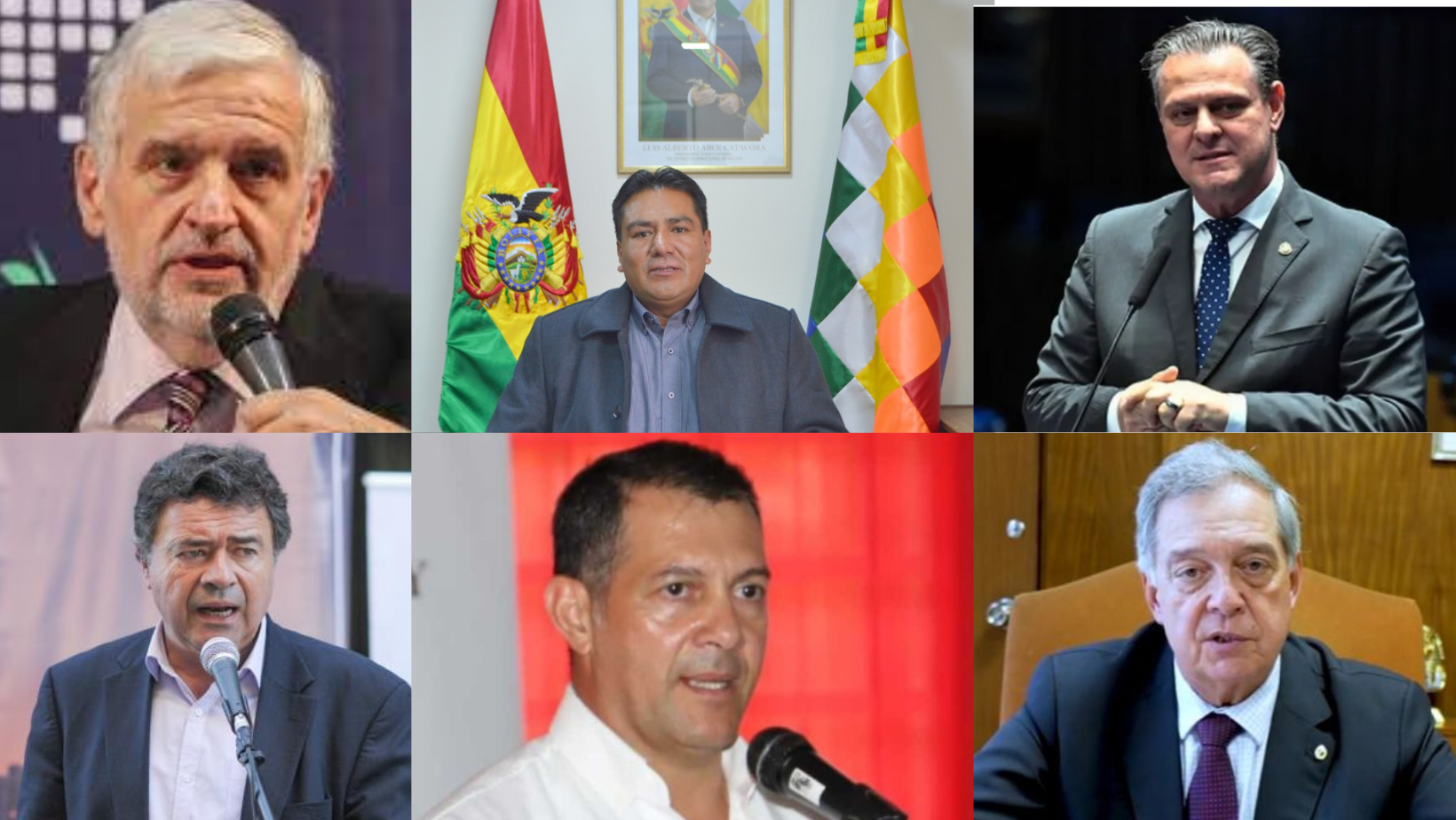
The message of solidarity was signed by Argentina’s Secretary for the Bioeconomy and President pro tempore of the CAS, Fernando Vilella; the Minister of Rural Development and Land of Bolivia, Santos Condorí; the Minister of Agriculture and Livestock of Brazil, Carlos Henrique Baqueta Fávaro; the Minister of Agriculture of Chile, Esteban Valenzuela; the Minister of Agriculture and Livestock of Paraguay, Carlos Giménez; and the Minister of Livestock, Agriculture and Fisheries of Uruguay, Fernando Mattos.

The CAS is a ministerial forum for consultation and the coordination of regional actions, composed of the ministers of agriculture of the six aforementioned countries, whose technical secretariat is operated by the Inter-American Institute for Cooperation on Agriculture (IICA).

In their statement, the ministers pledged to provide all necessary support to the Brazilian authorities to assist with the response to the emergency and subsequent recovery actions.

They also stressed the importance of regional cooperation and the coordination of efforts, to guarantee a timely, effective response. They also emphasized the need to strengthen solidarity between countries in times of crisis and to work together to tackle the challenges facing the region.

More information:
Institutional Communication Division.
comunicacion.institucional@iica.int
 

Share

Related news​

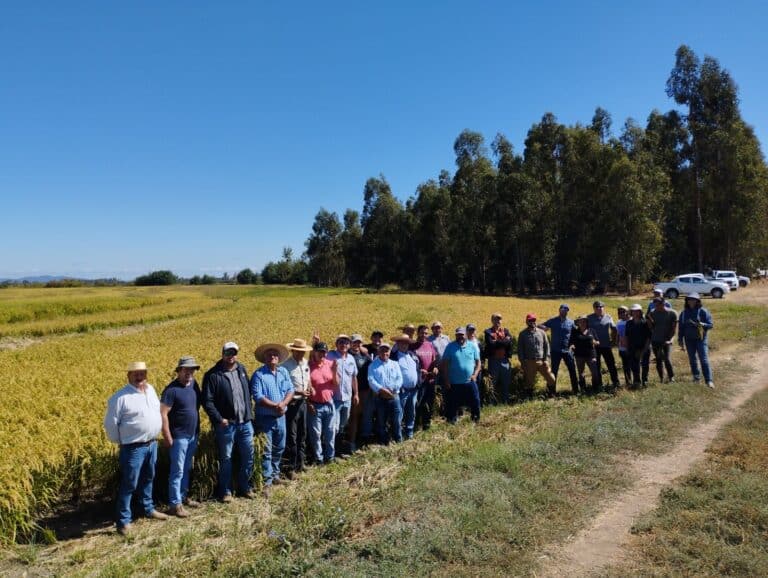
Grupo de participantes del proyecto regional PIVOT reunidos en la sede del IICA, en una iniciativa que promueve la prevención y preparación frente a riesgos sanitarios con potencial epidémico y pandémico en América Latina y el Caribe, mediante el enfoque Una Salud, que integra la salud humana, animal y ambiental.

San José, Costa Rica

May 12, 2026

IICA and international partners activate the PIVOT project to strengthen preparedness for avian influenza and other diseases of animal origin in the region

The Inter-American Institute for Cooperation on Agriculture (IICA) is forging ahead with the planning of the regional project Prevention of Infections through Surveillance at the Source of Transmission in Latin America and the Caribbean (PIVOT), aimed at strengthening the prevention of health risks with epidemic and pandemic potential in Latin America and the Caribbean, adopting the One Health approach that integrates human, animal and environmental health.

Tiempo de lectura: 3mins

Valparaíso, Chile

May 12, 2026

From erosion to harvest: an experience in soil recovery and productive diversification in Chile’s coastal drylands

IICA is working together with the Cuncumén Peasant Agricultural Cooperative on a 17.3-hectare farm, with funding from the Foundation for Agricultural Innovation (FIA), in a project called “Silvoagricultural Diversification as a Productive Methodology and Strategy and Optimization of On-Farm Irrigation in the Dryland Conversion Area of Cuncumén, San Antonio Province”.

Tiempo de lectura: 3mins

Tapachula, México

May 8, 2026

Without smart financing, there is no transformation: the other side of tropical agriculture

Behind many of the current debates on tropical agriculture —regarding productivity, sustainability, innovation— there is a variable that is becoming increasingly important, although it does not always feature prominently in the discussions: financing. Factors such as the way in which it is allocated, and the incentives and conditions involved, are becoming crucial.

Tiempo de lectura: 3mins