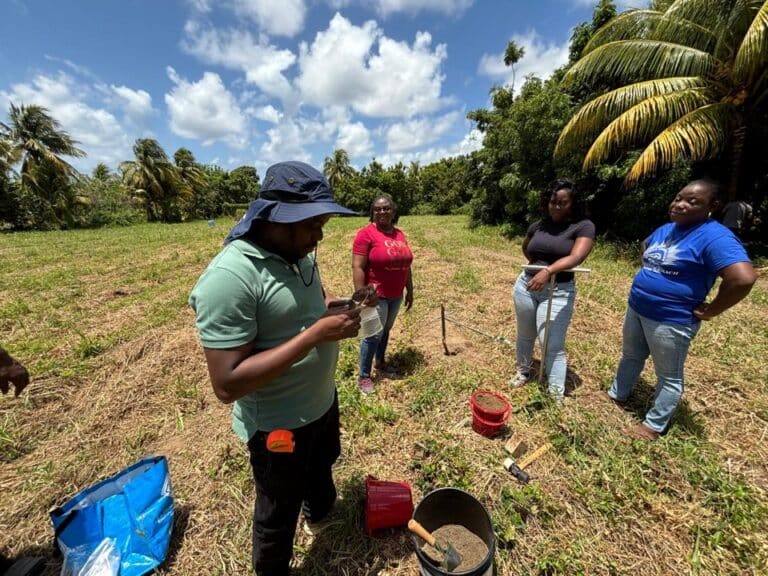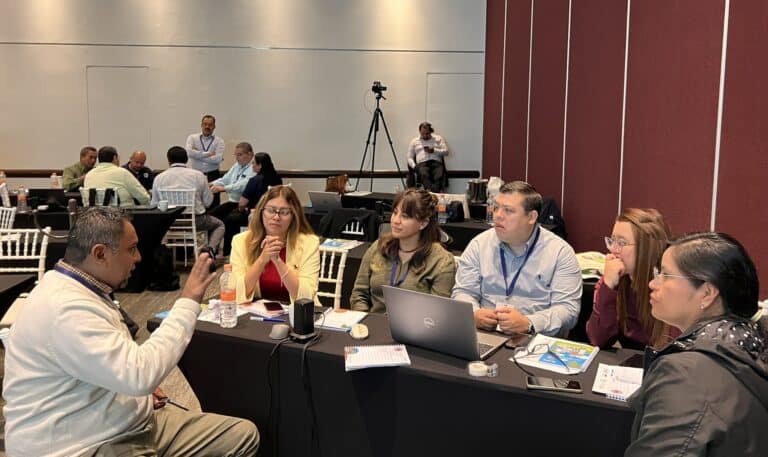
A Regional workshop held in Costa Rica was attended by 18 IICA member states and Cuba to share experiences in the subject and take good practices back to their countries.
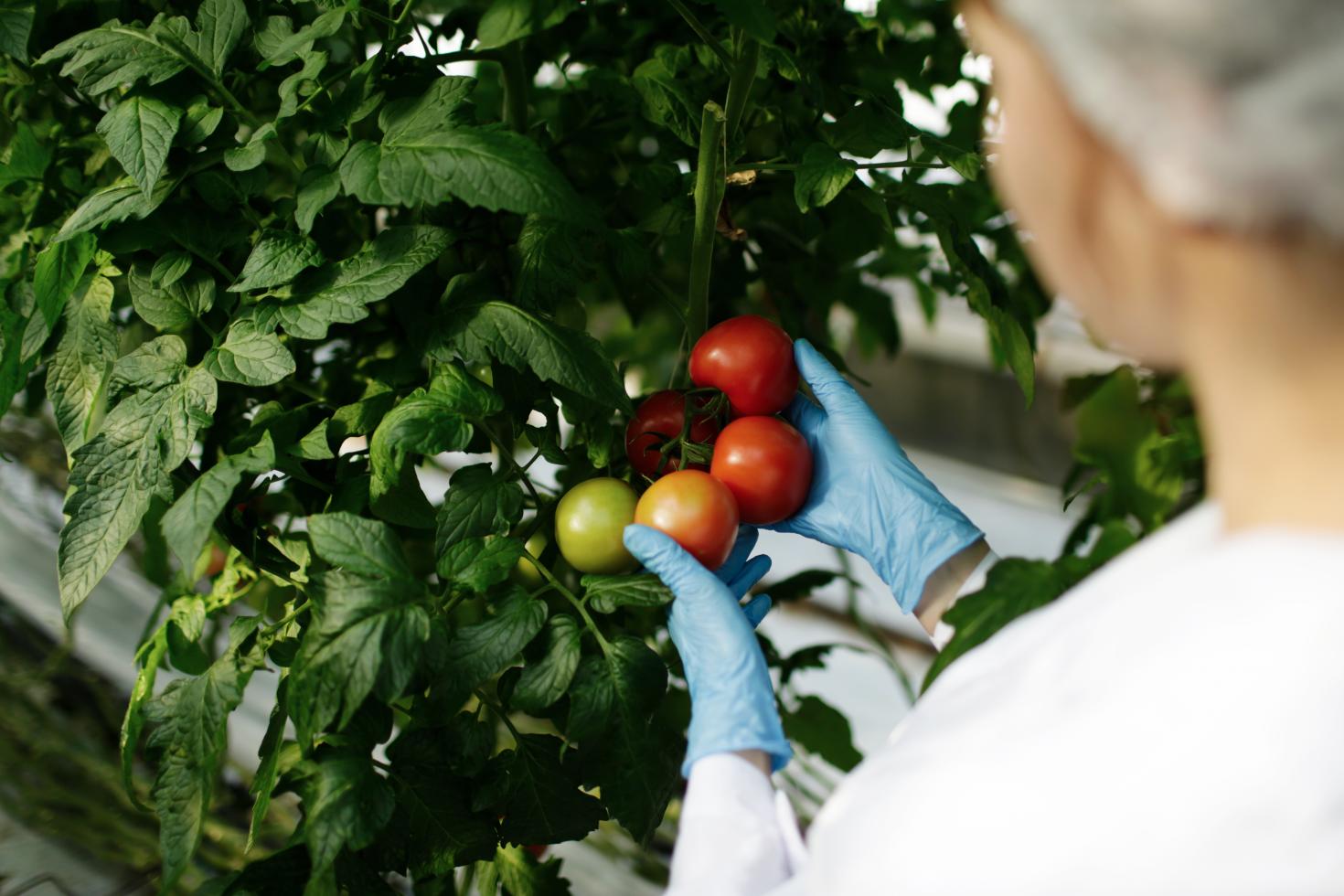
San Jose, 13 July 2017 (IICA). Representatives from the public and private sectors of 19 countries across the Americas attended a regional meeting held in Costa Rica to strengthen their knowledge of sanitary and phytosanitary measures and their relationship to trade and regulatory processes.
The Inter-American Institute for Cooperation on Agriculture (IICA) worked with the World Trade Organization (WTO) to support the attendance of fifty participants to the event. Participants had the opportunity to discuss the Agreement on the Application of Sanitary and Phytosanitary Measures of the WTO and shared their experiences regarding the regulatory practices in their respective countries.
The Agreement establishes basic rules for the application of measures to preserve and protect human health, animal health, and plant health. It applies to all measures that could affect international trade, whether directly or indirectly.
“Sanitary and phytosanitary measures influence trade significantly. Our work must be coordinated and based on science to avoid building barriers to trade that could affect our producers and consumers”, stated Lloyd Day, Deputy Director General at IICA.
Ivannia Quesada, Deputy Minister of Agriculture of Costa Rica participated in the opening ceremony for the event and highlighted the importance of transparency when formulating and applying standards. Transparency provides significant benefits in the short and long term for exporters and importers.
“The objective of the SPS Agreement of the WTO is to maintain, as much as possible, a balance between the right each country has to protect health and the lives of humans, animals and vegetables, and ensuring that these safeguards will not become an unnecessary obstacle to trade”, explained IICA AHFS Specialist Eric Bolaños.
Both the public and private sectors have a responsibility to be up-to-date in this area. For Bolaños, the public sector has an obligation to normalize trade and situations that could affect the sanitary and phytosanitary status of a country. The private sector has the role of implementing and complying with the regulations emerging from the public sector.
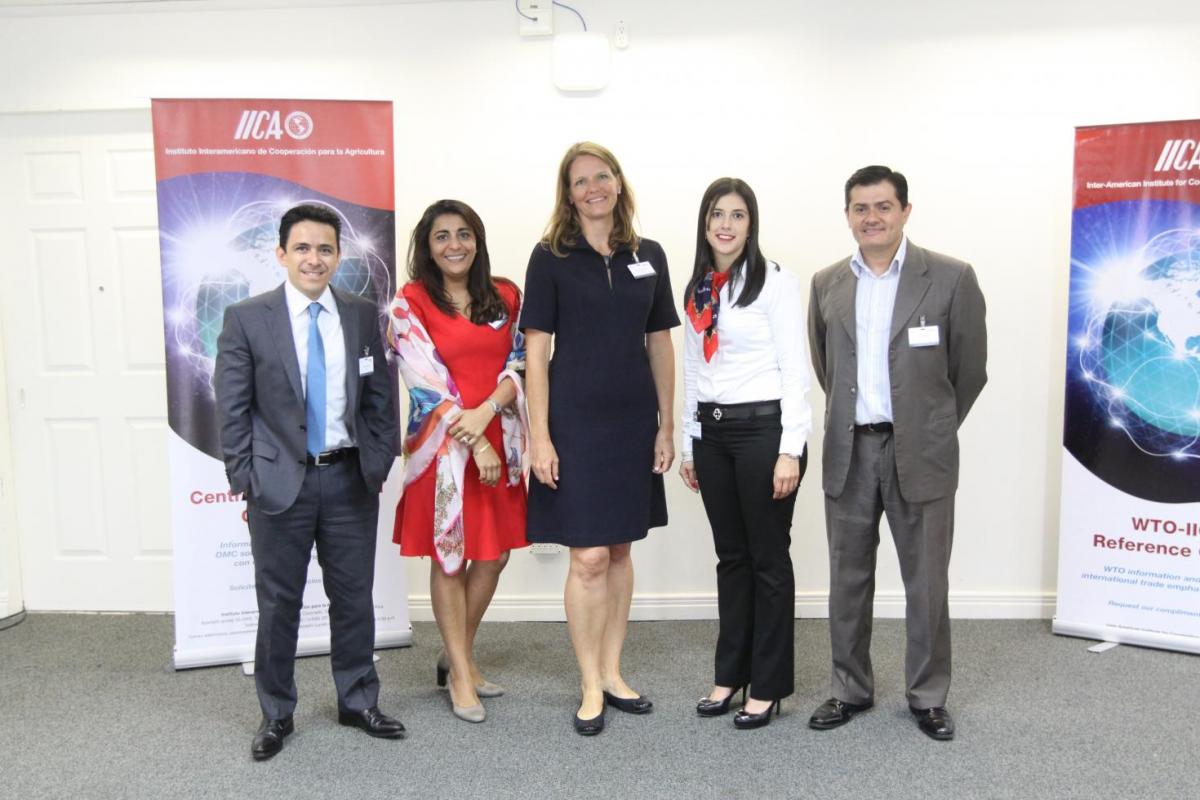
“The private sector can also function as an identifier for emerging issues that need to be standardized. The more formal, permanent, and efficient that communication, cooperation and coordination are between both sectors, the more efficient the process to develop, apply, and regulate standards will be”, Bolaños added.
For Adriana Campos, trade specialist at IICA, the exchange of experiences among high-ranking staff members in the public and private sectors was key to demonstrating the strengths, challenges, and opportunities of putting in place the SPS measures.
“The results of these activities in technical cooperation strengthen the strategic alliances and joint services that IICA, along with the WTO-IICA Reference Center, offers. The synergy with different organizations positions IICA as a model for agriculture in the hemisphere”, Campos stated.
The regional workshop, held within the framework of the alliance between the WTO and IICA, culminated with two field visits. These visits were organized by the IICA Representation in Costa Rica, during which attendees observed the application of SPS measures at processing plants. In addition, actions that could facilitate or hinder trade were also discussed.
Arti Gobind and Cristianne Wolff of the WTO, and Simon Padilla of the Secretariat of the Standards and Trade Development Facility (STDF) developed the event’s agenda.
More information:
Robert Ahern, AHFS leader – robert.ahern@iica.int
Eric Bolaños, AHFS specialist – eric.bolanos@iica.int
Adriana Campos, trade specialist – adriana.campos@iica.int