The Secretary of Agriculture and Livestock of Honduras, Laura Suazo, presented the 2023-2043 State Policy for the Agrifood Sector (PESAH), which will provide a roadmap to achieve the sustainable development of a key sector for the country. The Secretary recognized the technical support and contributions of the Inter-American Institute for Cooperation on Agriculture (IICA), which was represented at the launch event by its Director General, Manuel Otero.
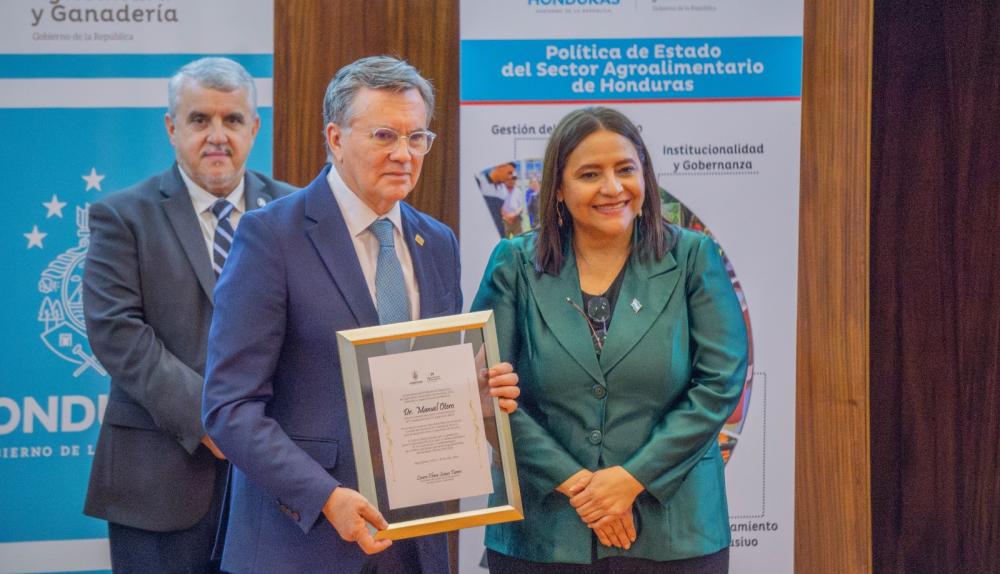
Tegucigalpa, 2 May 2024 (IICA) – The Secretary of Agriculture and Livestock of Honduras, Laura Suazo, presented the 2023-2043 State Policy for the Agrifood Sector (PESAH), which will provide a roadmap to achieve the sustainable development of a key sector for the country. The Secretary recognized the technical support and contributions of the Inter-American Institute for Cooperation on Agriculture (IICA), which was represented at the launch event by its Director General, Manuel Otero.
The 2023-2043 PESAH will provide the Honduran agrifood sector with a strategic and systemic vision to guarantee its development while recognizing the fundamental role of food production for the economy, food security, territorial development and Honduran society.
Its objectives are to strengthen the country’s food and nutritional security, combat poverty in rural areas, improve marketing conditions and farmers’ organization, as well as increase and diversify agricultural production. Forty-four percent of the population in Honduras (9.6 million inhabitants) lives in rural areas and agriculture, livestock, forestry and aquaculture account for 35% of employment.
“The PESAH represents a solid commitment to the development of the agrifood sector in Honduras. We are convinced that this policy will lay the foundation for improving the quality of life of Hondurans because it fosters improvements at the economic, social and environmental levels”, remarked Secretary Suazo. She also highlighted the broad consultation process that was carried out to draft the policy, which included “the participation of 480 stakeholders from 53 agrifood chains, the academic sector, NGOs and international organizations”.
In that regard, Suazo noted that “IICA has been a fundamental partner. Its support has been key to achieving rapid results, such as agreeing on a vision to rebuild the agrifood sector in Honduras”.
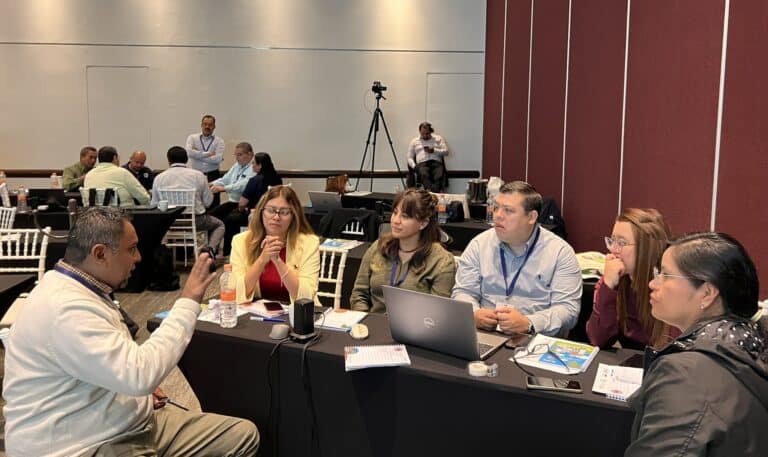
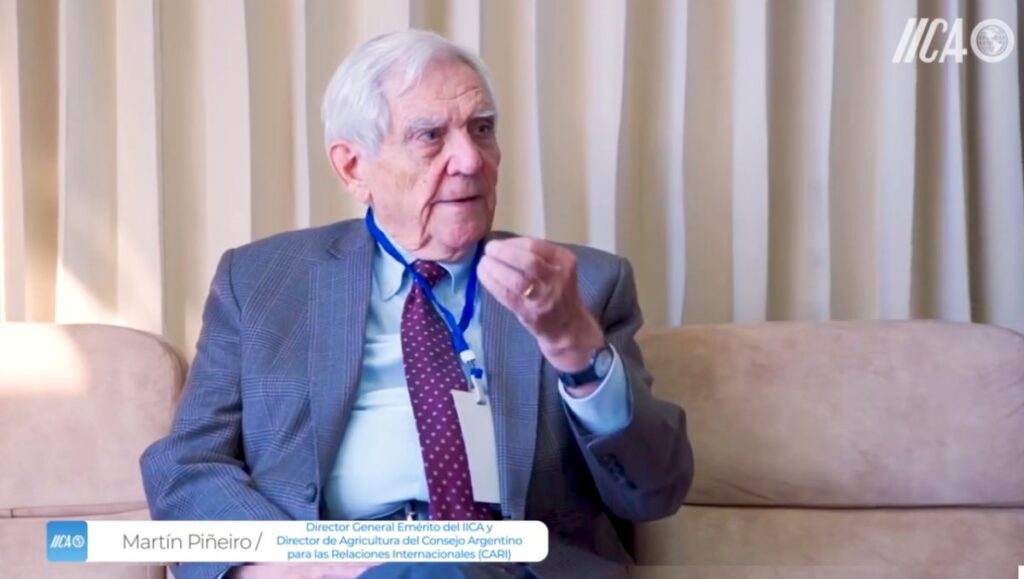
At the ceremony to present the PESAH, held at the headquarters of the Central American Bank for Economic Integration (CABEI) and attended by senior government officials of Honduras, the diplomatic corps and representatives of the agriculture sector, Secretary Suazo presented an award to IICA’s Director General in recognition of the Institute’s contributions.
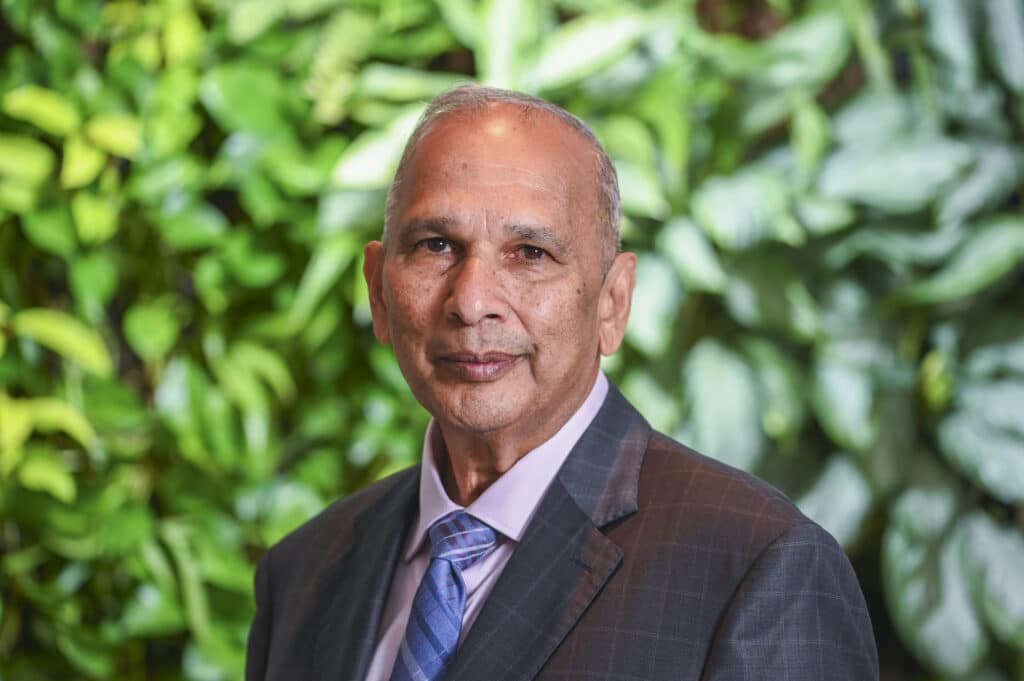
“What is a State Policy? To me, a State Policy means building the future. It involves putting an end to improvisation, to wandering aimlessly from one place to another. It means creating a road map. That, to me, is a State Policy. Developed countries assign tremendous importance to their agriculture and rural areas because, in order to advance and complete sustainable development models we must turn to agriculture, support our producers and build a sustainable agriculture sector”, said Otero, highlighting Honduras’ efforts to strengthen its agriculture.
“What is at stake here is breaking a vicious circle, putting an end to this conservative, extensive agriculture that often ends in migration, and transforming agriculture into a sector with roots, a cultural identity, farmers and families that have access to employment in rural areas. IICA is lending its support to Honduras, to ensure that this State Policy will radiate a new reality and chart the course towards a more prosperous future”, he added.
Secretary Suazo also recognized the work carried out by Santiago Vélez, IICA Representative in Honduras, and his contributions to the preparation of the 2023-2043 PESAH.
More information:
Institutional Communication Division.
comunicacion.institucional@iica.int