Specialists brought together by IICA explained that the pandemic marks a turning point in which the regional agricultural model must be redesigned to foster greater participation by the private sector, women and youth, as well as reduce the risk of famine and malnutrition.
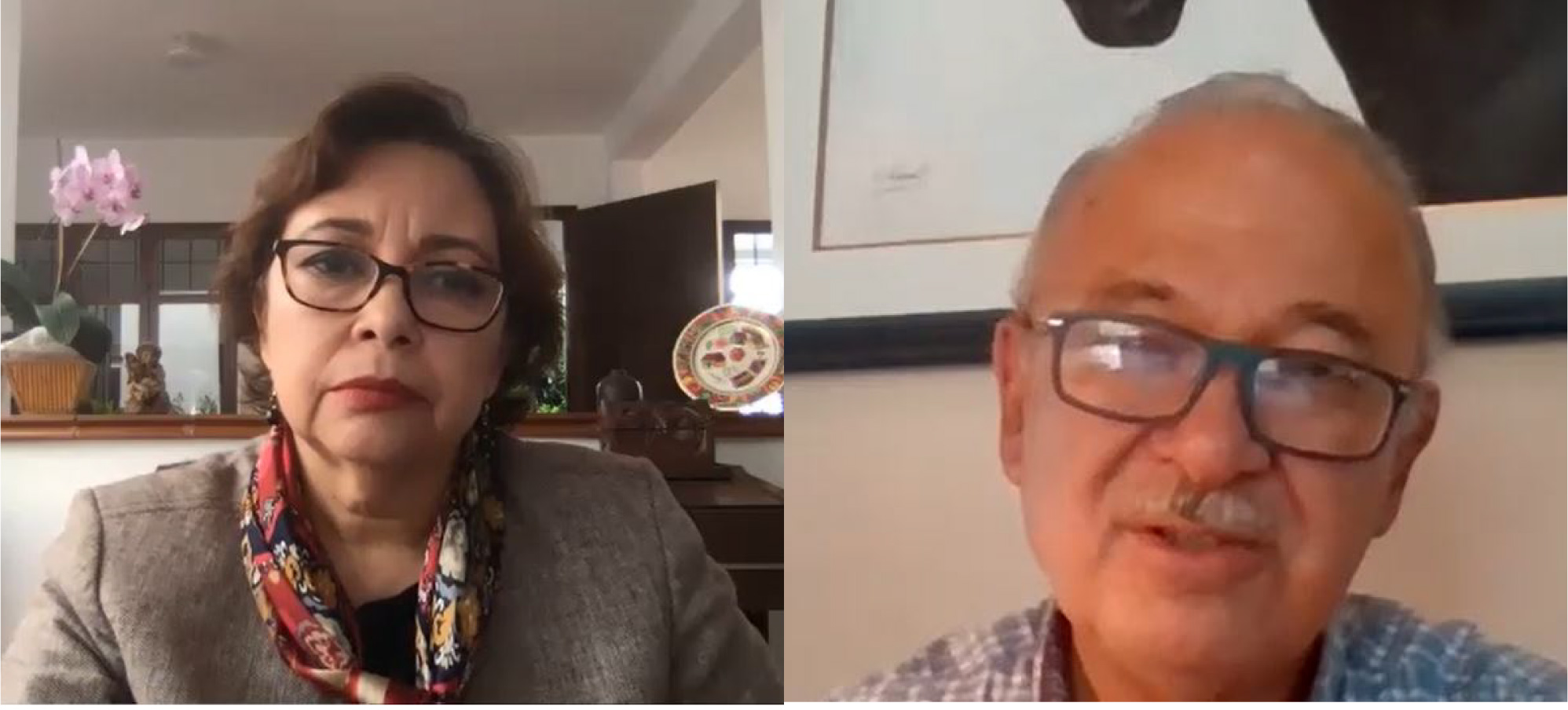
San Jose, 3 July 2020 (IICA) – Experts agree that the main strategy for strengthening food security in Central America post Covid-19 should be the development of a regional agrifood system that fosters the modernization of agriculture, generates value added, takes advantage of technology and increases trade between countries.
Patricia Palma, Director of the Program of Information Systems for Resilience in Food and Nutritional Security of the Regional System for Central American Integration (PROGRESAN-SICA), and Carlos Pomareda, an international consultant specializing in economics, discussed the strategy during a webinar organized by the Inter-American Institute for Cooperation on Agriculture (IICA).
The experts noted that Covid-19 has generated social, political, economic and health impacts in Central America.
In at least four countries throughout the region, about 4.4 million people are experiencing a food crisis. The specialists warned that the current health emergency could double that figure.
“We have failed to resolve the structural causes of food and nutritional insecurity, and, despite the efforts undertaken by countries, minimal progress has been achieved in this regard. As a result, this is one of the greatest challenges facing our region, especially within the context of the pandemic”, explained Palma.
“Central America faces a unique situation compared to other regions, given its vicious circle of malnutrition and infectious diseases, which will become even more lethal within the context of Covid-19”, he added.
During the webinar, the participants also discussed the nutritional risks facing rural dwellers, especially basic grain farmers, who are much more vulnerable to structural and circumstantial situations.
“We now have the opportunity to reflect on ways to strengthen the system, perhaps using elements that were previously not available, such as fortified products that can help to improve our health. That is our greatest challenge”, stated Carlos Pomareda.
The experts agreed that the post-pandemic agricultural model must work to protect those responsible for production, increase the private sector’s involvement in sustainable development strategies, and foster greater and equitable participation by women and youth.
Watch the entire webinar here:
More information:
Institutional Communication Division