The course covered technical foundations, genome editing applications and regulatory developments.
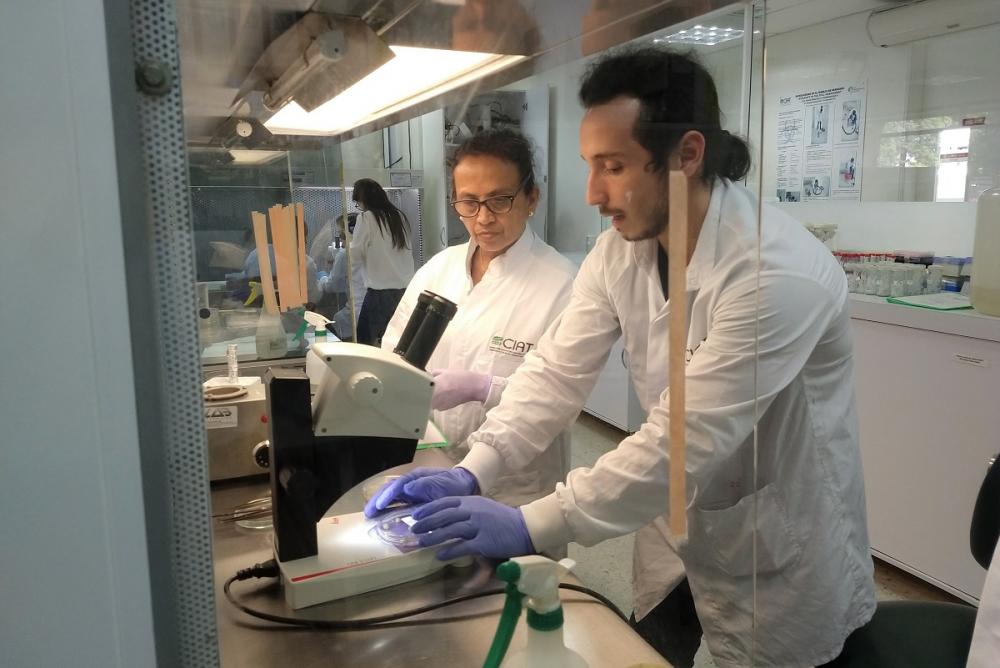
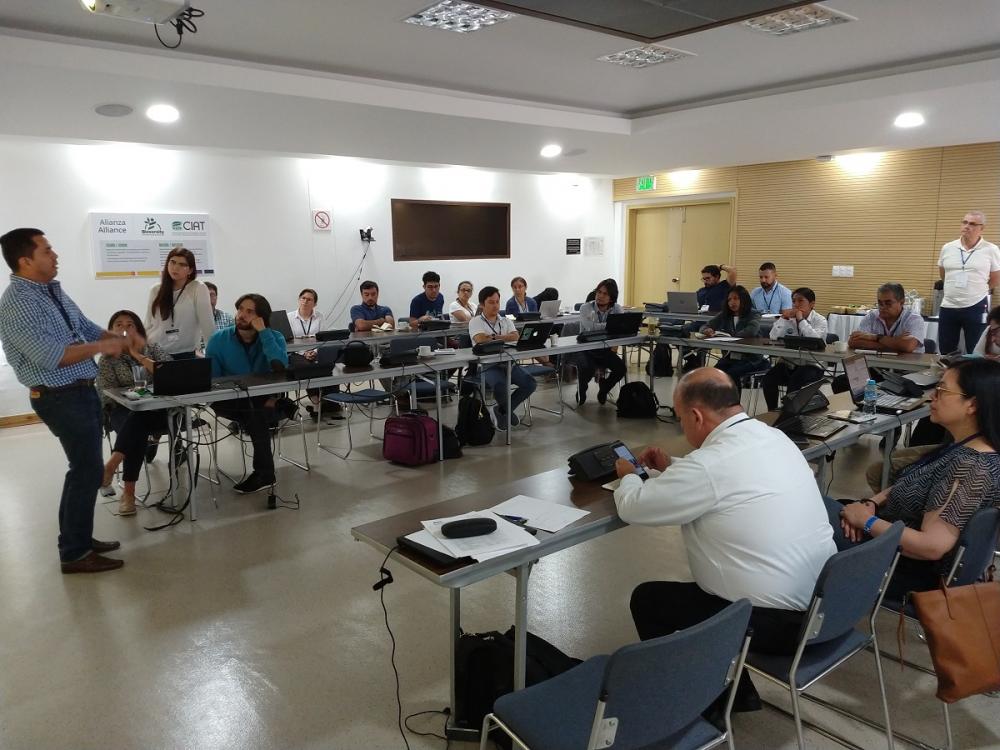
Cali, Colombia, March 4, 2020 (IICA). Regulators and researchers in the fields of biotechnology and biosafety from Colombia, Ecuador, Guatemala, Honduras and Peru participated in the “Gene Editing Training Course,” organized by the Inter-American Institute for Cooperation on Agriculture (IICA) and the Bioversity International – International Center for Tropical Agriculture (CIAT) Alliance.
The course was carried out in Colombia from 25 to 28 February. It covered the technical foundations of new technologies, reviewed gene editing applications using concrete examples, illustrated regulatory developments, fostered a discussion on the need for assertive communication on this topic, and provided laboratory training for researchers and regulators.
Pedro Rocha, IICA Specialist in Biotechnology and Biosafety, explained that gene editing represents a new phase of biotechnology that contributes to modern improvement by enabling the selective modification of DNA, or the editing of an organism’s genes in a very precise manner, without introducing any foreign genetic material. This distinguishes genetically edited varieties from living modified organisms (LMOs).
Joe Tohme, Director of the Crops for Nutrition and Health Area of the Bioversity-CIAT Alliance, indicated that the use of biotechnology tools such as gene editing is crucial in order to support and accelerate the plant breeding process. CIAT works to improve food security with a focus on nutrition and health; therefore, within this context, gene editing is of vital importance.
The relationship between IICA and the Bioversity-CIAT Alliance in the field of gene editing began in 2018 with the organization of the “International Seminar on Gene Editing for Regulators in Latin America,” and is being further strengthened through this training course.
“For IICA, precision, efficiency and the rapid development of gene editing techniques open up numerous opportunities for agricultural production. Therefore, the Institute will continue to support actions related to training in and the dissemination of this technology,” concluded Rocha.
More information:
Pedro Rocha, International Specialist in Biotechnology and Biosafety at IICA