The objective of the event was to share experiences related to policies that promote the competitiveness of cocoa, as well as to discuss the different commercial approaches developed by the participating countries.
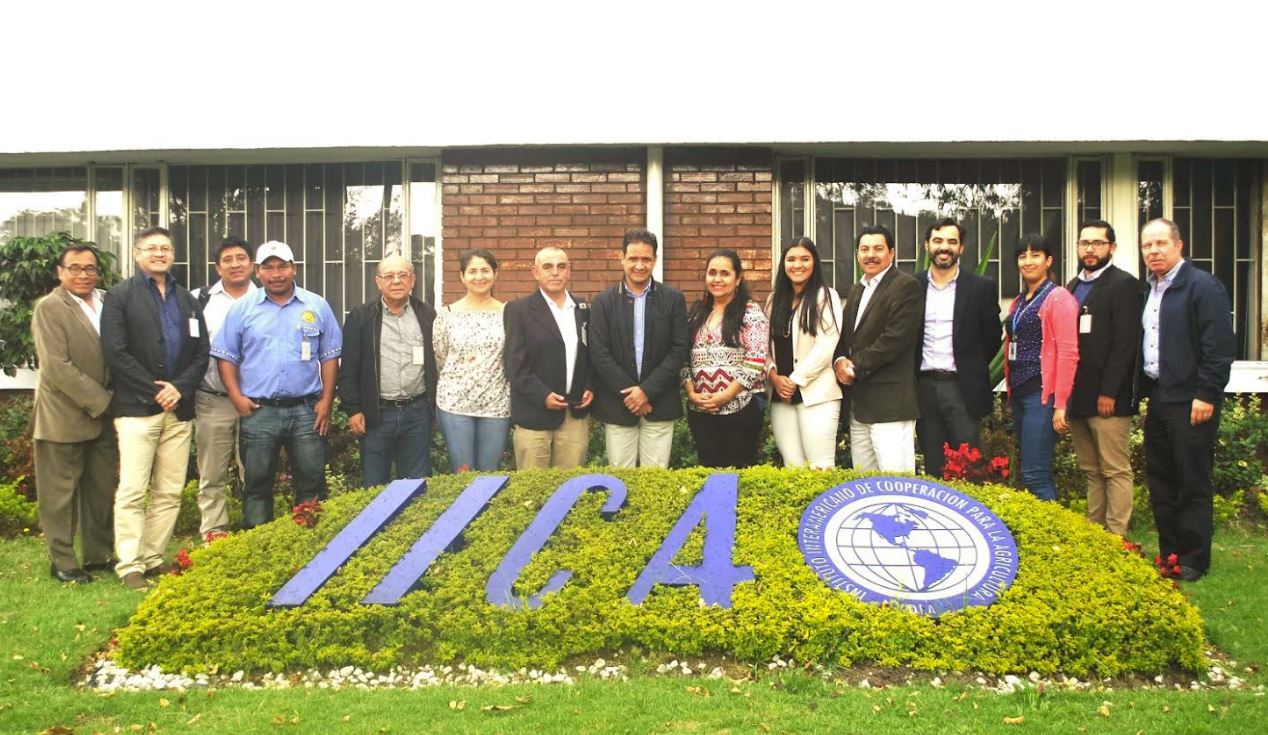
Stakeholders representing the cocoa value chain of nine countries, Colombia, Costa Rica, the Dominican Republic, Ecuador, Guatemala, Honduras, Mexico, Panama and Peru attended the event “Sharing experiences that drive the competitiveness of cocoa and its subproducts” organized by IICA under the “Competitiveness and Sustainability of Agricultural Chains” Flagship Project (FP) in Colombia during the month of September.
The objective of the event was to share experiences related to policies that promote the competitiveness of cocoa, as well as to discuss the different commercial approaches developed by the participating countries. The event also sought to identify and conduct a more profound analysis of possible joint actions that could be undertaken to face challenges, as well as opportunities and to develop strategies for marketing cocoa and its subproducts in a sustained manner over time.
The first session, entitled “Public policies and institutional frameworks that promote the competitiveness and sustainability of the cocoa chain,” focused on analyzing specific experiences related to Colombia’s Quota for Cocoa Promotion, National Cocoa Fund, National Council of Cocoa Farmers, and National Fund for Stabilization of Cocoa Prices. The analysis also included experiences from Honduras and the Dominican Republic with the Agreement on the Competitiveness of the Cocoa Chain and the National Cocoa Committee, respectively.
The first session was followed by an analysis of the evolution, situation and outlook for the cocoa-growing sector in Colombia, Costa Rica, the Dominican Republic, Ecuador, Guatemala, Mexico, Panama and Peru. During the third session, participants worked in groups, analyzing challenges, opportunities, strategies and mechanisms discussed in earlier sessions that could contribute to improving the competitiveness and sustainability of cocoa and its subproducts. Lastly, topics and successful experiences that could be shared among participants with IICA’s support were identified, such as methods for strengthening the chain’s institutional framework, strengthening business and associative capabilities of small and medium-scale producers; the impact and implementation of technical standards in trade; and methodologies for identifying, preserving and using native genetic material.
For more information, please contact: daniel.rodriguez@iica.int
*This post appears in the IICA Delegation in the USA Newsletter – September – December 2017