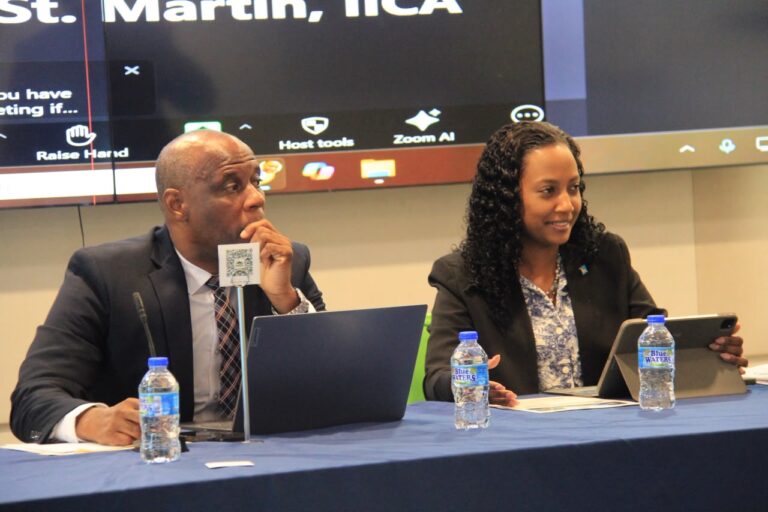
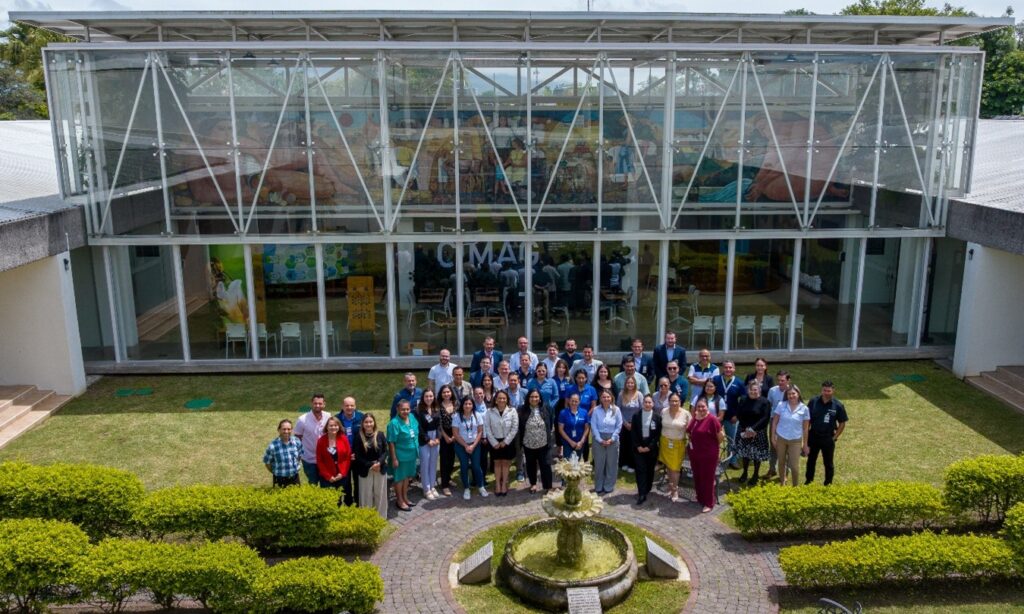
San José, June 19, 2025 (IICA) – Companies in Costa Rica’s agri-food sector and financial entities strengthened their ties to promote access to credit and financial tools, in a meeting organized by the Secretariat for Central American Economic Integration (SIECA) and the Inter-American Institute for Cooperation on Agriculture (IICA).
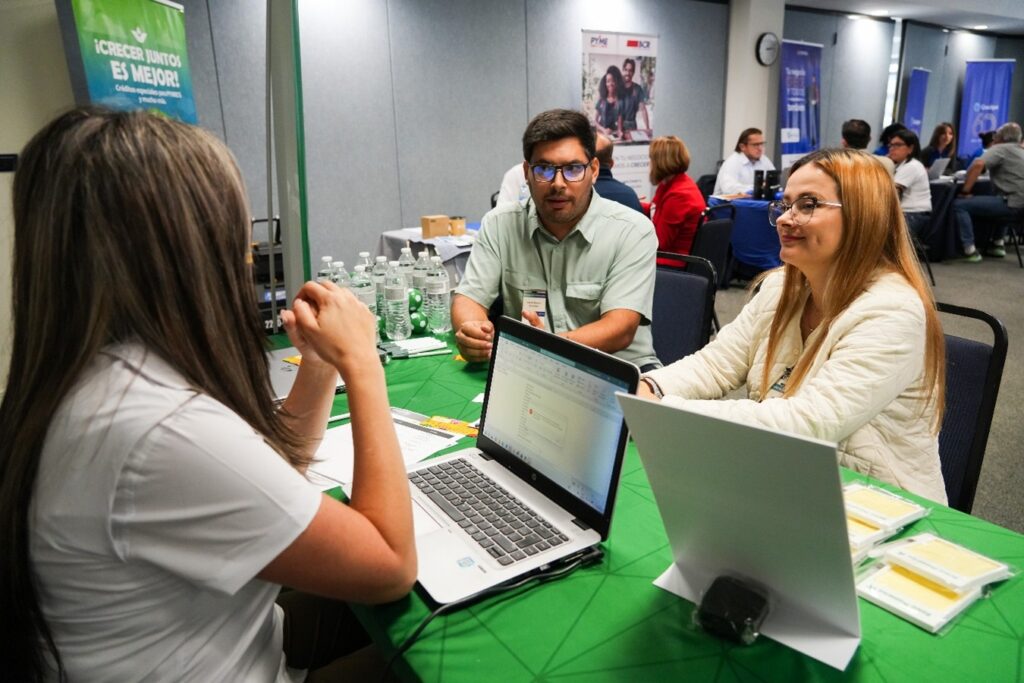
More than 21 Costa Rican companies, along with seven local financial institutions, participated in person in the so-called “Financial Meeting: Promoting the Financial Success of MSMEs in Costa Rica.”
Edith Flores, Director of the Center for Economic Integration Studies (CEIE) of SIECA, stated that the meeting created a space to strengthen knowledge for accessing financial resources that allow companies to strengthen their businesses and increase their potential to expand markets, in addition to facilitating their connections.
“At SIECA, we plan to hold these meetings in person in each of the countries. We have already held these events in Guatemala and El Salvador, and today we are doing this one in Costa Rica, and we hope to complete the rest of the countries in the region this year. These meetings constitute a space for development for our companies, which move the national economy every day with their effort and creativity,” concluded Flores.
The joint work between institutions such as IICA and SIECA seeks to promote greater financial inclusion, facilitating access to credit and boosting the economic growth of Costa Rica’s productive sector.
Kenneth Solano, Specialist in Project Management and Agribusiness at IICA Costa Rica, stated that IICA is working to build bridges between the financial sector and companies in the agri-food sector.
“If we help companies overcome these barriers, we will be contributing to economic growth, local sustainability, job creation, and innovation,” said Solano.
Adriana Campos, Technical Specialist in International Trade at IICA, emphasized that the meeting facilitated access for agri-food MSMEs to financing and to the services offered by IICA’s international trade and regional integration program.
“We have promoted the connection of more than 6,600 companies with export markets, generating more than 250 million dollars in business intentions. These results motivate us to continue strengthening the agri-food business ecosystem,” added Campos.
Financing for growth
The meeting also provided space for participating companies to strengthen their commercial and financial capacities through work sessions focused on key aspects for obtaining credit, financial planning, credit management, banking requirements, development of business plans, and financing strategies.
David Blanco and Katherine Cordero, owners of the company Vergel in San José, Costa Rica, had the opportunity to speak with financial entities in search of expanding their business horizons.
Since 2014, these entrepreneurs, who are dedicated to the production of bottled sauces, dressings, and jams, have been working on a project to create organic, gluten-free products with no added sugars.
“This meeting allowed us to better understand what financial entities are looking for and how we can prepare to access credit that drives the growth of our business,” said David Blanco.
Katherine Cordero stated that these spaces are fundamental for small companies like Vergel, where practical tools are provided and motivation is given to continue supporting quality and innovation.
“Our dream is for Vergel to continue growing and reach new markets, both inside and outside the country. These types of meetings give us the tools and connections needed to make that vision a reality,” concluded Cordero.
Link to interview: https://youtu.be/gIO-sGbp-yA
More information:
Institutional Communication Division.
comunicacion.institucional@iica.int