The agreement was made in Chicago, U.S.A. at the 24th session of the Codex Committee on Residues of Veterinary Drugs in Food. IICA and 15 of its member countries took part in the decision.
United States. The Inter-American Institute for Cooperation on Agriculture (IICA) and 15 of its member countries attended an international Codex Alimentarius meeting, in which standards and maximum residue limits (MRLs) were established for 6 veterinary drugs used on various food-producing animals.
International Agricultural Health and Food Safety specialist, Horrys Friaca, explained that “These drugs will be approved by the Codex Alimentarius Commission at its annual meeting, to be held in July. Once they have been approved, countries may incorporate them into their legislation, thereby completing the harmonization process”.
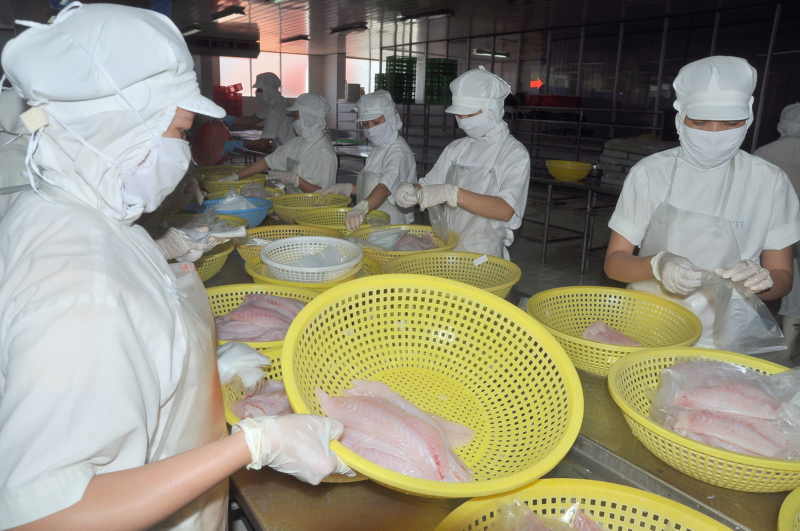
The specific drugs that were reviewed were gentian violet, amoxillin and ampicillin (finfish fillet, muscle); flumethrin (honey), lufenuron (salmon and trout fillet), monepantel (cattle fat, kidney, liver, muscle). Approval was also given for a list of drugs that the Committee and two working groups will study at a later time.
A MRL is the maximum level of residue that could safely remain in the tissue of a food-producing animal that has been treated with a veterinary drug. According to Friaca, they are legally allowed when applied correctly, in accordance with the recommendations. These approved limits provide a reference point for the World Trade Organization (WTO) and are established by internationally recognized experts.
According to Friaca, the proper regulation of veterinary drug residue in foods helps to protect the health and life of consumers and to facilitate trade between countries through the elimination of unnecessary barriers and the use of harmonized standards.
The meeting was attended by 69 countries and 7 observer organizations whose work relates to this issue, including IICA. Twenty-two of the countries are IICA members and fifteen of them (Barbados, Bolivia, Chile, Dominican Republic, Ecuador, El Salvador, Guatemala, Guyana, Haiti, Honduras, Jamaica, Nicaragua, Paraguay, Peru and Trinidad & Tobago) took part in the meeting with the support of the Institute’s Program for Participation in Codex Alimentarius meetings.
More information:
Horrys Friaca, International Specialist in Agricultural Health and Food Safety