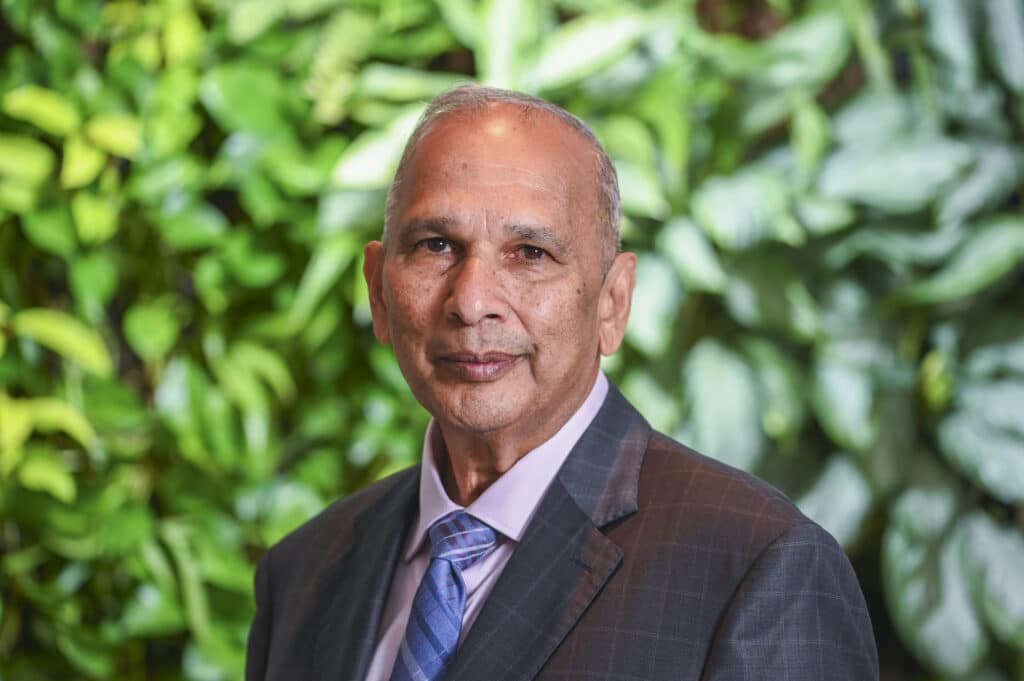

San José, 26 May 2026 (IICA). The new Minister of Agriculture and Livestock of Costa Rica, Juan Ramírez Guillén, made his first official visit to the Inter-American Institute for Cooperation on Agriculture (IICA) and held a meeting with the Director General of the organization, Muhammad Ibrahim, to identify priority areas of cooperation aimed at strengthening Costa Rica’s agricultural sector.
The Minister prioritized the need to have the support of IICA for an effective action plan that would allow authorities to act quickly in the face of the expected effects of the El Niño phenomenon, which could bring serious impacts to agriculture with severe droughts, high temperatures, and a rainfall deficit. The phenomenon is expected to begin in mid-year and could persist until the end of 2026.
“The situation is serious. Data from the National Meteorological Institute forecast a 50% reduction in rainfall through November and December, and the phenomenon would coincide with the dry season. We must act with clear and effective measures to face what is coming with El Niño, especially throughout the Pacific region, and we are going to need IICA’s cooperation in that regard,” said Ramírez, who was accompanied by Vice Ministers Fernando Vargas and Julián Arias.
Muhammad Ibrahim explained that IICA, as part of its cooperation initiatives, will address the issue with a systemic approach — in coordination with other strategic partners, such as the Executive Secretariat of the Central American Agricultural Council (CAC) — to move forward with a joint plan focused on protecting agricultural production and strengthening the resilience of the sector.
“IICA wants to stand alongside governments, to serve as technical support, assisting in whatever is needed and working jointly. The effect of El Niño on agrifood systems requires a joint plan with the Ministry of Agriculture and other actors. We are seeing that this is a problem that will have a severe impact and many implications, so it is key to promote the experience that exists in other countries,” mentioned the Director General of the Institute.
During the meeting, Ramírez also expressed his intention to continue receiving IICA’s technical support to sustainably improve the competitiveness of the sector, provide assistance for the institutional and operational modernization of the Ministry of Agriculture and Livestock (MAG), strengthen agribusinesses and bioinputs, support the control and prevention of the New World Screwworm (NWS), and promote research, innovation and development.
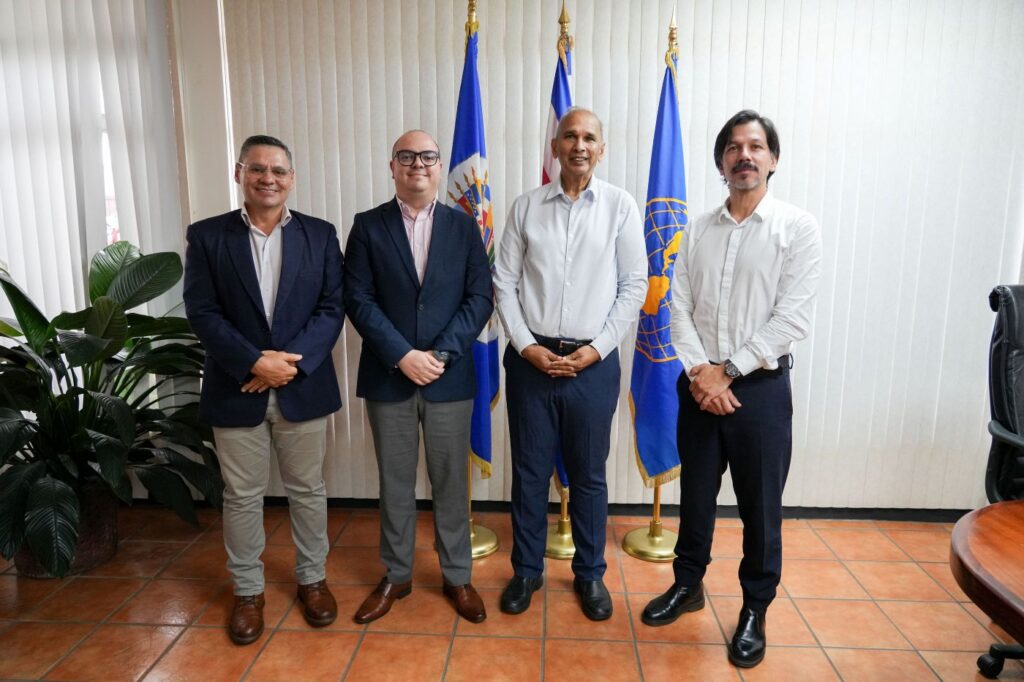
“We want to improve the competitiveness of the sector in a sustainable way to achieve impactful results. That is the direction we must move in, ensuring that all those strategies become operational, and IICA’s expertise is fundamental and highly valued,” added the Minister.
In this regard, the Director General of IICA revealed that the Institute, in its Medium-term Plan (MTP) 2026-2030, will develop further initiatives through four strategic programs: Science, Technology, and Innovation for Production Development; International Trade, Regional Integration, and Agribusiness; Agricultural Health, Biosecurity, and Food Safety and Quality; and Strategic Natural Resources for Agrifood Systems Productivity and Resilience.
“It will be presented in July at the IICA Executive Committee for approval by the ministers. The first program involves actions with producers and associations, updated tools, gene editing, technologies, the use of AI, digital agriculture and bioeconomy; the second focuses on trade and agribusiness, involving youth and women, and links with small-scale producers; the third concerns agricultural health and includes actions against transboundary diseases, biosafety, New World Screwworm, avian influenza, and African swine fever to reduce impacts; and the fourth seeks efficient management of resources such as soil, water, and biodiversity, and how to achieve sustainable production while protecting natural resources,” Ibrahim explained.
“IICA is willing to provide support. We seek to align agendas to transform agrifood systems,” he added.
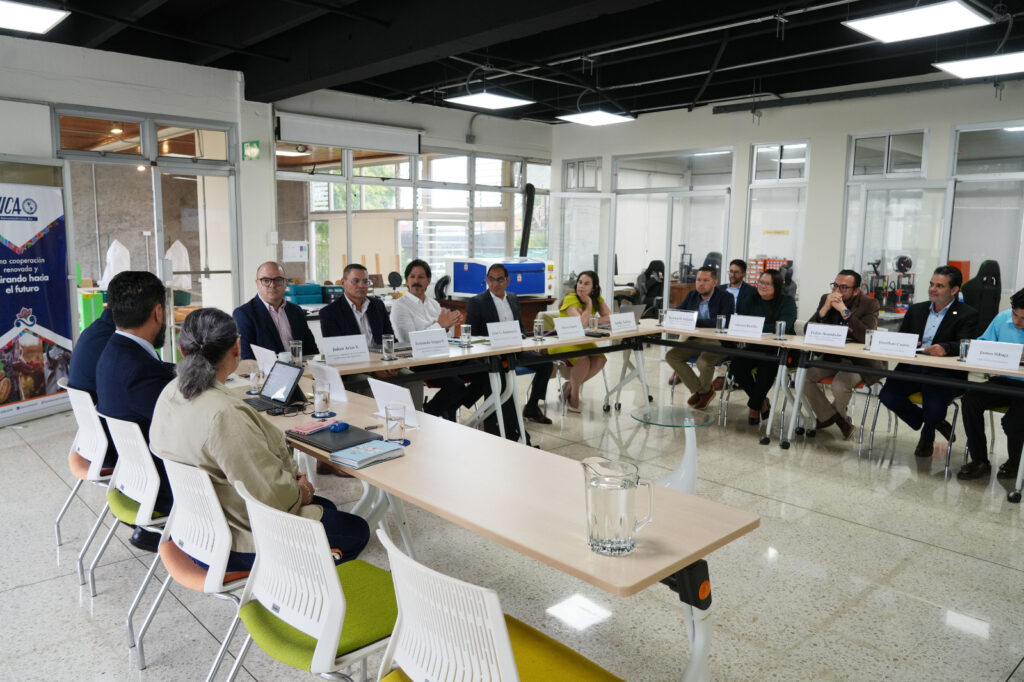
Ramírez also held a meeting with the technical team of the IICA Delegation in Costa Rica, which was also attended by the Executive Director of the Executive Secretariat for Agricultural Sector Planning (SEPSA), Erick Jara. During the meeting, participants learned about the 21 projects being promoted by IICA in Costa Rica together with MAG, with an investment of more than one million dollars during the 2025-2026 period.
Among these are the Verification Strategy for the Sustainable and Competitive Agriculture Program(Results-Based Payment – RBP-), CENADA DIGITAL, the National Bioinputs Strategy, initiatives related to the New World Screwworm, the pricing methodology of the Institutional Supply Program (PAI) of the National Production Council (CNP), the regional agenda for sustainable dairy farming, the formulation of a national project aimed at generating electricity from biomass based on agrifood sector byproducts, and projects associated with agricultural extension, youth and women.
“We want to increase cooperation, listen to stakeholders, and add value to sector priorities through experience and the promotion of innovation. These are complex times, with major challenges for agriculture, which is why mobilizing technical resources and amplifying management efforts are essential,” concluded the IICA Representative in Costa Rica, Marco Zapata.
*Interview in Spanish
More information:
Marco Zapata, IICA Representative in Costa Rica.
marco.zapata@iica.int
Kenneth Solano, Project Management and Agribusiness Specialist at the IICA Delegation in Costa Rica.
kenneth.solano@iica.int