Experiences in the United States, Germany, Colombia, Spain, Japan, South Africa, Malaysia and the European Union will provide a frame of reference for the development of methodological guidelines and analyses.
San José, 14 December 2018 (IICA). The economic, productive, social and environmental sustainability of the planet will call for the intensive and efficient use of knowledge, in order to better exploit biological processes and resources. This is the only means of sustainably satisfying societal demands for goods and services.
With this in mind, the Inter-American Institute for Cooperation on Agriculture (IICA) is in the process of developing bioeconomy-focused policies and strategies to boost production development in Latin America and the Caribbean (LAC), which is one of the areas of focus of the Institute’s recently approved roadmap – the 2018–2022 Medium Term Plan (MTP).
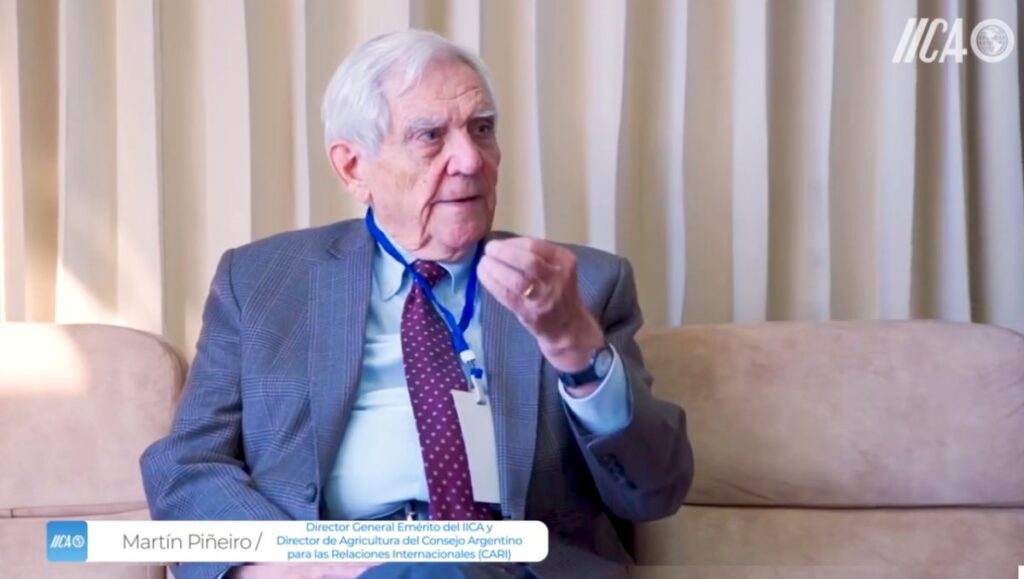
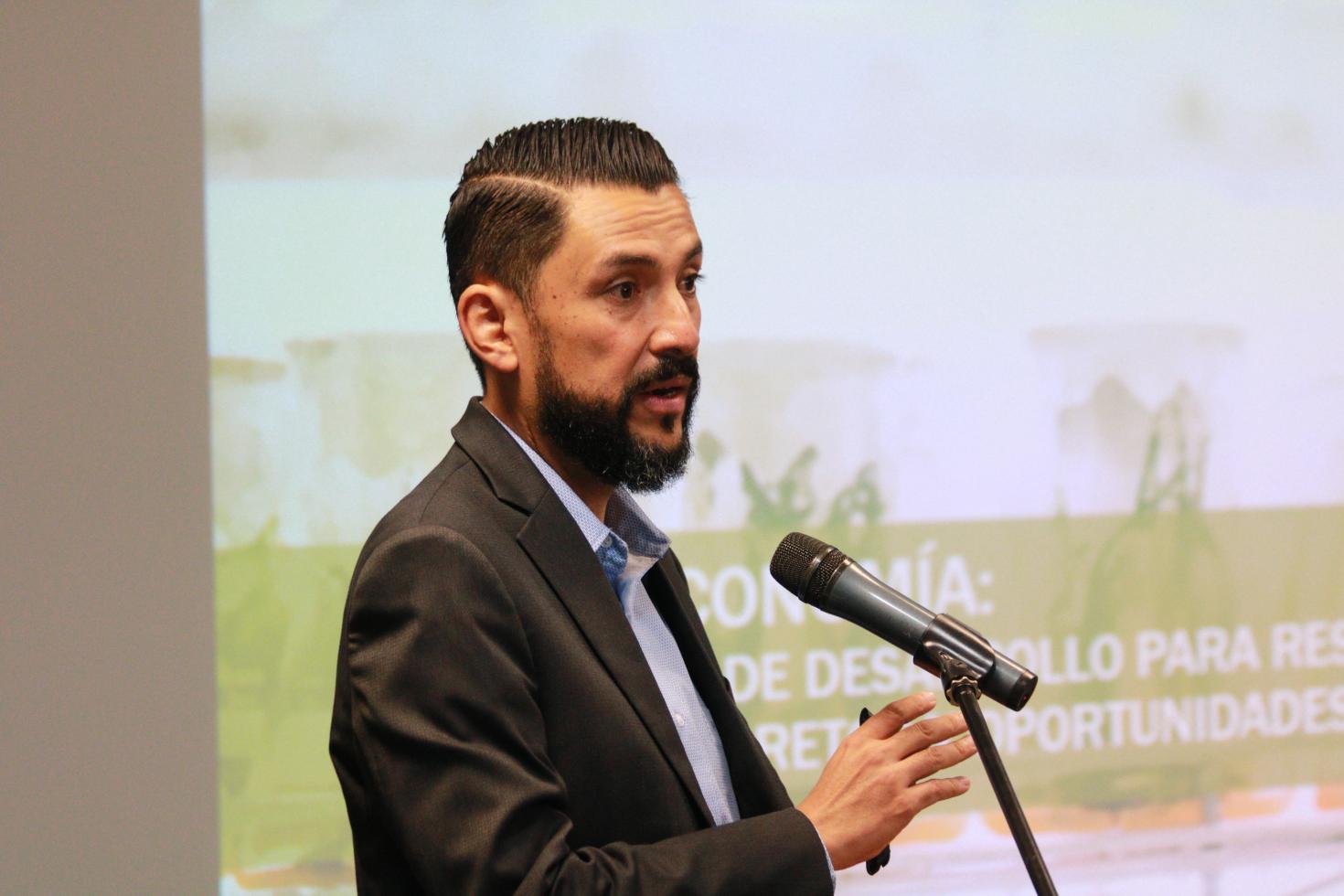
Hugo Chavarria, Coordinator of IICA’s Bioeconomy and Production Development Program, remarked that, “Today, we are witnessing major advances in biological and social sciences, technology and information that allow us to better exploit biological resources, processes and principles. The main challenge is how to capitalize on them to boost production development in rural areas and value chains”.
Significant progress was made in developing these policies and strategies through the preparation of methodological guidelines and analyses that are based on the bioeconomy experiences of the United States, Germany, Colombia, Spain, Japan, South Africa, Malaysia and the European Union.
Furthermore, Chavarría explained that, “One of the main challenges in developing bioeconomy strategies in countries, rural areas and chains is the lack of knowledge of the potential and limitations of better exploiting biological resources and processes for production development, as well as the unfamiliarity with the requisite technical and institutional requirements, and above all, the manner in which to approach it”.
The concept of bioeconomy is a recent construct. However, some countries and institutions have been traveling the bioeconomy path for several years.
According to the IICA expert, not all countries in LAC can use and harness the benefits of the bioeconomy in the same way.
In some cases, it may involve production and trade models that are heavily technology-based (such as the use of genetically modified organisms combined with zero labor and the use of ICTs), whereas, in others, it may entail agronomic practices that increase environmental efficiency while increasing productivity (such as soil management or precision agriculture).
Other ways in which more intensive and sustainable use of biological resources could contribute to production development relate to the markets’ assessment of the positive initiatives of agricultural actors (such as payment for environmental services, carbon credit or ecotourism); the increased efficiency of chains through the reduction of losses, recycling of residue and waste for profitable purposes or the use of agricultural biomass to produce bioenergy (ethanol, biodiesel, biogas, etc.) and biochemicals (soaps, cosmetics, bioplastics, etc.).
Not only do these options facilitate the creation of linkages with new higher-value chains, but will also contribute to changes in the energy matrix, and consequently to decarbonization.
The flagship product of IICA’s newly established Bioeconomy and Production Development Program will be a “Methodological Guide for the Development of Roadmaps for the Inclusive Use of Bioeconomy Commercial Opportunities in Territories and Value Chains”.
In closing, Chavarría remarked that, “This tool will allow us to identify the limitations and potential of countries, territories and/or value chains to capitalize on the bioeconomy for production development, and subsequently to work alongside actors to develop it and to provide the answers that will allow them to enhance their use of it, with special emphasis on family farming, youth and gender”.
Following the recommendations of the guide on how to capitalize on each of the bioeconomy pathways, and also on how to bridge the gaps that have been identified, the Program will support the development of policy and regulatory frameworks and inclusive strategies to increase the economic density of territories and the development of value chains.
This product is already in the development stage and the first prototype will be completed in mid-2019.
More information:
Hugo Chavarría, Coordinator of IICA’s Bioeconomy and Production Development Program.