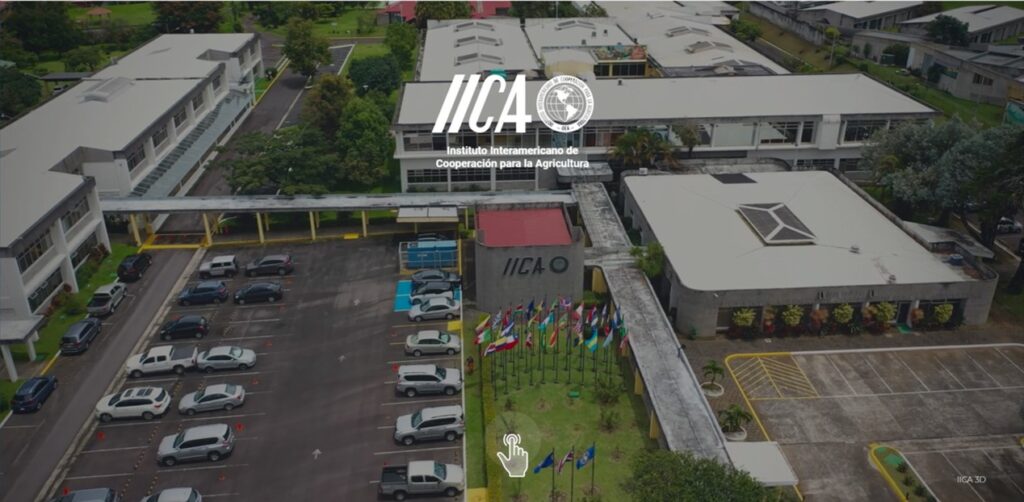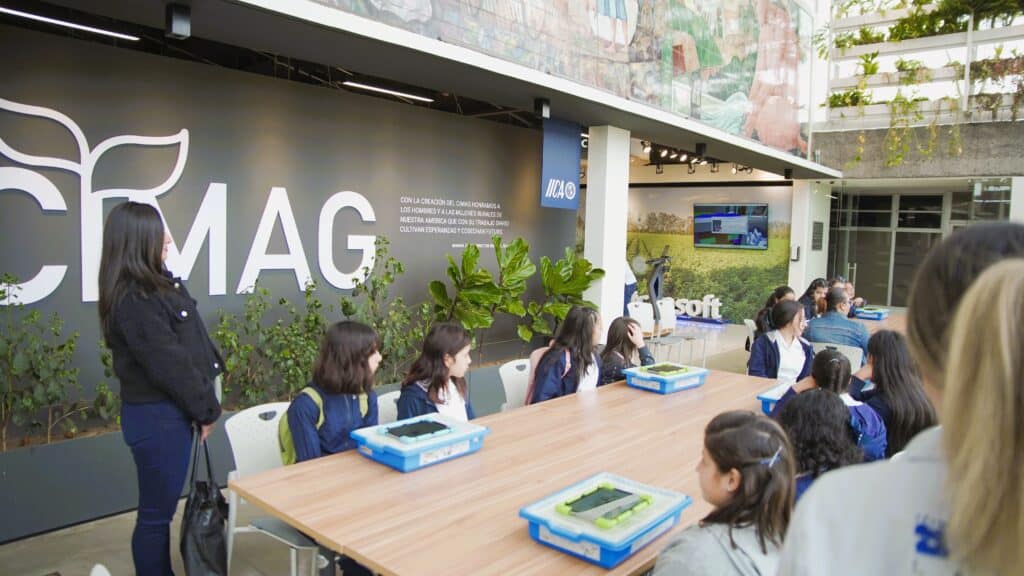

San Jose, 27 August 2025 (IICA) – Armed with stories that intertwine traditional agriculture with innovation, rural youth from more than twenty countries in the Americas met at the Headquarters of the Inter-American Institute for Cooperation on Agriculture (IICA), in Costa Rica, to demonstrate that change in the agrifood sector is already underway and that they are leading this transformation from their communities.
The hemispheric meeting entitled “Rural Voices: Youth in Action”, was held in recognition of International Youth Day and sought to highlight the leadership of individuals who, through milpa and other agricultural production, are transforming their communities.
The close to thirty participants shared their experiences in workshops, plenary sessions and conferences, under the slogan of “They are not the future, they are the present”. Indeed, the event sought to promote young people’s transition from being mere spectators to protagonists in rural development, calling on them to participate, lead, impact and transform agriculture.
The meeting explored strategic pathways for rural youth development, including entrepreneurship, agrifood digitalization, the bioeconomy and access to financial services. These topics were discussed in an environment promoting generational integration and recognizing that the transformation of the agrifood sector requires not only experience, but the innovative knowledge provided by youth.
During the opening ceremony, IICA Director General, Manuel Otero, stressed the urgent need to dignify rural life and end the conditions that exclude millions of young people in the hemisphere.
He reflected that, “More than 70 million people in rural areas of the Americas—30 million of whom are young people—are unable to access adequate levels of internet connectivity. This is an enormous disadvantage. However, living in rural areas also motivates people to change their reality”.
Otero also noted that, “By strengthening the rural environment as a sustainable, attractive and worthwhile option, we are cultivating opportunities for rural youth and ensuring a prosperous future for all”.
Priscila Zúñiga, Manager of IICA’s Rural Women and Youth Program reaffirmed the Institute’s commitment to innovation, youth empowerment and representativity.
She stressed that, “Rural youth are not the future, they are the present. The fact that they are here is already a reflection of the leadership that they are exercising in their communities and productive sectors”.
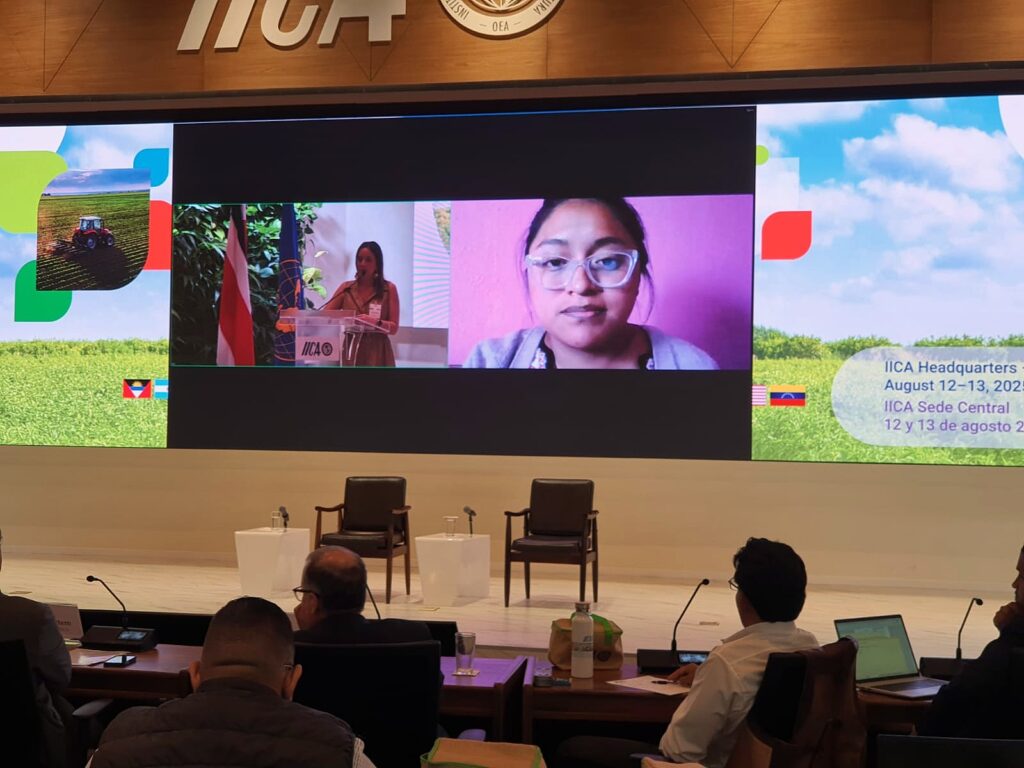
Daniela Piche, a young farmer from Santa María de Jesús, Sacatepéquez, Guatemala.
Young transformative voices
Ana Daniela Piche Gómez, a young indigenous woman from Santa María de Jesús, Sacatepéquez, Guatemala, spoke about her project to create an agricultural export business in her community, “not only to sell our products, but to provide employment for the young women in my community, giving them an opportunity to grow professionally and empowering them”, she explained.
For now, Ana Daniela is cultivating the land of her ancestors, growing avocado and corn, just two of the products to be exported from Guatemala.
The Guatemalan young woman notes that, “We are chasing our dream to create an export business in our municipality, which will need us to manage our time, bridge the knowledge gaps and overcome the issue of the initial investment. These are some of the challenges we face as young ruralentrepreneurs”.
Piche’s testimony was forceful and insightful, reflecting the challenges of rural entrepreneurship and the importance of merging tradition with education. “We gather strength from our roots, but education gives us the power to grow”.
Piche ended her remarks, insisting that, “If a young woman from Santa María de Jesús can dream of exporting products internationally, you can do it too. Don’t let fear stop you”.
More information:
Institutional Communication Division.
comunicacion.institucional@iica.int