In the latest episode of IICA in Action, the discussion focuses on the forty-five percent of Guatemala’s national territory that is used for agriculture, and the strategic soil protection plan.
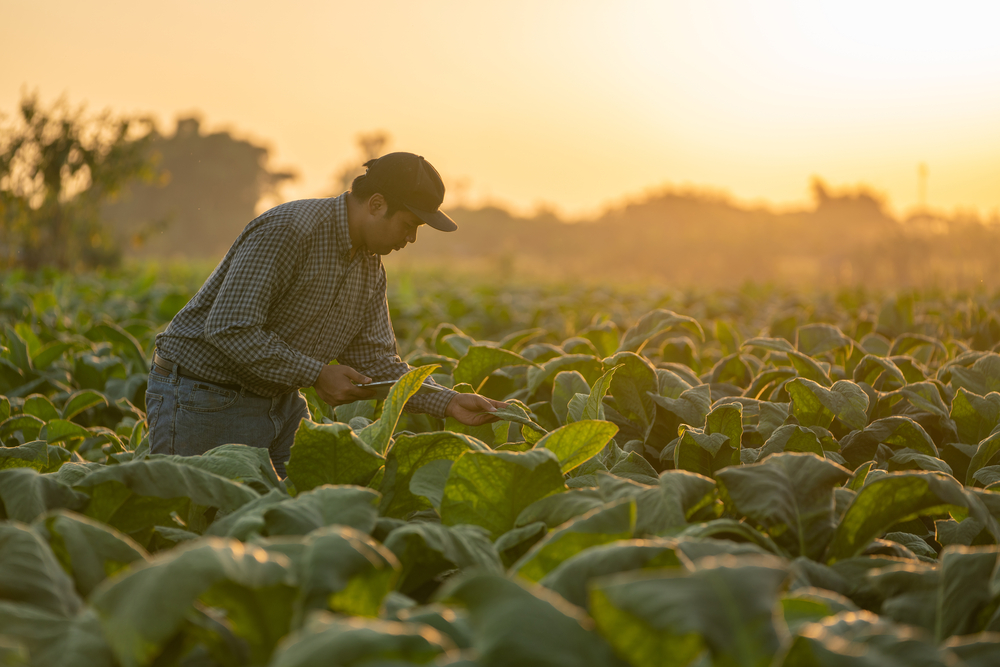
San José, September 6, 2023 (IICA). Appropriate monitoring and improved soil management practices are the key to improving the quality and quantity of agrifood production in Guatemala, and the Director of Geographic, Strategic and Risk Management Information at the Ministry of Agriculture, Livestock and Food, Rafael López, says his country is making progress in this area.
“Guatemala has been conducting soil studies since 1959. Laboratory analyses of soils point to light or moderate soil erosion on 70% of all farmland,” López explained in an interview with IICA in Action, a podcast produced by the Inter-American Institute for Cooperation on Agriculture.
The interview with the Guatemalan official is the latest in a series of regular reports on the Living Soils of the Americas platform, which IICA promotes with the Rattan Lal Center for Carbon Management and Sequestration (C-MASC), based at The Ohio State University.
During the interview, López pointed out that “forty-five percent of Guatemala’s national territory is used for agricultural purposes, but it is possible to improve the quality and quantity of production nationwide (…) unfortunately soils have been deteriorating owing to the over-mechanization of farming on land not suitable for agriculture or large-scale monoculture.”
The official highlighted the fact that a soil protection program is underway under the Ministry of Agriculture’s Strategic Plan. Management practices are being applied that reduce erosion and improve the quality of land used for agrifood production.
A number of practices including the promotion of irrigation and increased cover crops are being employed to make better use of water and protect soils, López added. They have also helped increase the productivity of cocoa, coffee, and other crops.
Studying soils and generating scientific evidence on the current state and use of soils have also made it possible to take decisions at the local and regional levels to promote sustainable practices.
The Guatemalan official’s interesting contribution is available on IICA’s Spotify channel. Other experts, officials and rural producers who have taken part in the podcast series include the Director General of IICA, Manuel Otero; the scientist Rattan Lal, one of the world’s leading soil science specialists, and officials and scientists from the United States, Canada, Mexico, Argentina, Colombia, Brazil and Uruguay.
Other members of Living Soils of the Americas that represent the private sector, such as Bayer, Syngenta and PepsiCo, also contribute to the podcast.
Living Soils of the Americas is an initiative that links science, public policies, the private sector, and efforts to restore soils in the hemisphere. Soil degradation poses a threat to the position of Latin America and the Caribbean as a guarantor of global food security.
More information:
Institutional Communication Division.
comunicacion.institucional@iica.int