IICA and the European Union are supporting a project that seeks to establish an antimicrobial resistance surveillance system in the Caribbean region.

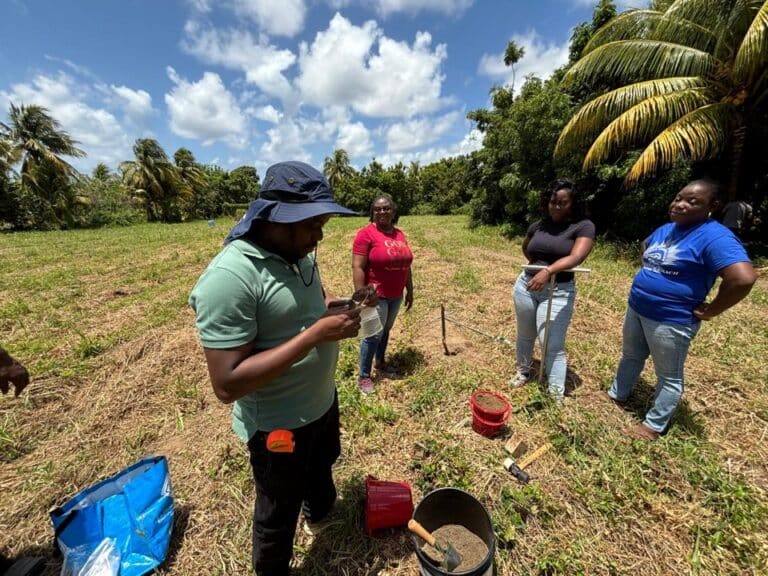
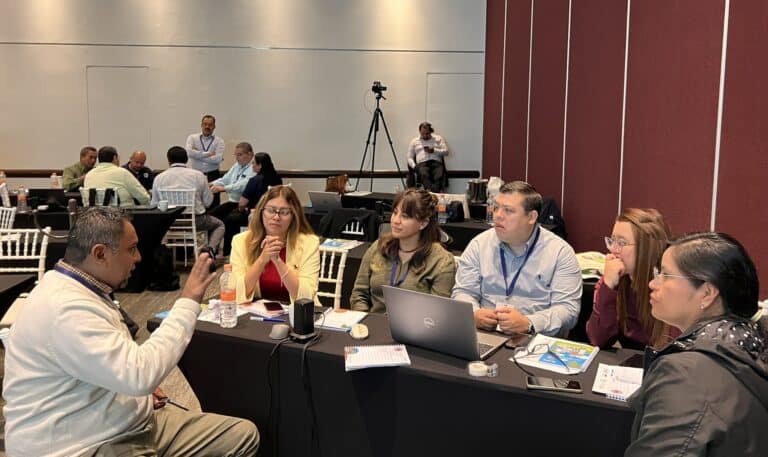
Kingston, 19 February 2016 (IICA). During the months of January and February, the Inter-American Institute for Cooperation on Agriculture (IICA) conducted a series of technical missions in Jamaica, Belize, Trinidad and Tobago, and the Dominican Republic in order to provide knowledge on the use of antibiotics and antimicrobial agents in different animal production systems.
Technicians and high-level personnel from the ministries of agriculture and health as well as the private sector of those countries were involved in the missions.
The initiatives are part of the Sanitary and Phytosanitary (SPS) Measures Project, which is supported by the 10th European Development Fund (EDF) via the program entitled “Support to the Caribbean Forum of the ACP States in the Implementation of the Commitments Undertaken under the Economic Partnership Agreement (EPA): Sanitary and Phytosanitary (SPS) Measures,” executed by IICA with support from the European Union.
This initiative was developed based on the specific needs identified by the region, with support from the Ohio State University (OSU) College of Veterinary Medicine.
“Antimicrobial resistance (AMR) occurs when, as a result of genetic changes, bacteria such as Staphylococcus aureus (MRSA), Salmonella, and Campylobacter develop resistance to medication that used to be effective in eliminating them, such as antibiotics,” explained Robert Ahern, Leader of the Agricultural Health and Food Safety Program at IICA.
As part of this effort, 27 professionals from the 15 CARIFORUM member states strengthened their knowledge of antimicrobial use and antimicrobial resistance in agriculture. These training sessions, held between June and December of 2015, were specially designed for veterinarians, diagnosticians and other public health professionals in the Caribbean countries.
One of the most important results of the project was the creation of a pilot project to be carried out in several countries – a first step in contributing to the establishment of an antimicrobial resistance surveillance system in the Caribbean region.
“The overall objective of this pilot project is to establish an AMR baseline and to broaden laboratory capabilities and the skills of technicians in the respective countries. The pilot project is expected to begin in June of 2016; once it has been completed, all of the countries should possess the necessary capabilities to establish their own surveillance systems,” stated Mr. Ahern.
The specialists highlighted the impact of AMR on the health of humans, animals and the environment, as well as on international trade. Furthermore, participants received training in the establishment or enhancement of surveillance and monitoring systems for AMR in zoonotic and foodborne pathogens.
Mr. Ahern and Armando Hoet, Director of the Veterinary Public Health (VPH) Program at OSU, made up the technical team that oversaw this project.
More information: robert.ahern@iica.int