Inter-American Institute for Cooperation on Agriculture

Agricultural chains Agricultural Health Family farming Inclusion Resilient Agriculture

Our results

Tiempo de lectura: 3 mins.

We are pleased to present the 2016 Results of the Flagship Projects and the Agricultural Health and Food Safety program. 

In 2016, IICA achieved important results through its Flagship Projects and the Agricultural Health and Food Safety program, for the benefit of agriculture and rural well-being in the Americas.

The following infographics provide a summary of the progress, achievements and results of IICA’s technical cooperation.


2016 Results



Share

Related news​

Tapachula, México

April 29, 2026

In partnership with other leading institutions, IICA prepares program of concrete actions for tropical agriculture that will mobilize funds and have an impact in the territories

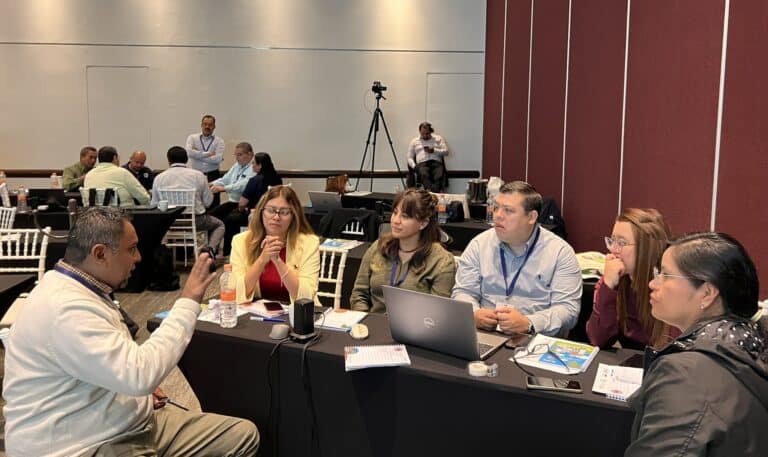
The portfolio of initiatives is being designed during a three-day working meeting in Chiapas, Mexico, with the participation of farmers and representatives of state agencies, agricultural institutions, academia, and international organizations.

Tiempo de lectura: 3mins

Tapachula, México

April 28, 2026

Tropical agriculture is crucial to global food security and must become increasingly sustainable, inclusive, and competitive, participants affirmed at a landmark meeting in the Mexican state of Chiapas, with the participation of the IICA Director General

Experts and authorities participated in the opening of an international event in Tapachula, in the state of Chiapas, bringing together a wide range of stakeholders committed to building a critical pathway for the future of tropical agriculture in Mexico and the Americas.

Tiempo de lectura: 3mins

Provinces of Jujuy and Misiones, Argentina

April 28, 2026

Raíces, a trinational project supported by IICA, promotes agrobiodiversity and seed conservation for small-scale agriculture in Argentina

The initiative is expected to reach approximately 1,200 producers in Argentina, with a strong emphasis on the participation of women, youth, and Indigenous peoples. It represents a collective response to the urgent need to transform food systems so they become more equitable, sustainable, and resilient.

Tiempo de lectura: 3mins