More than 50 professionals were trained in complying with FSMA standards, which regulate the export of processed food to the United States. The participants will in turn share their knowledge with other actors in the sector.
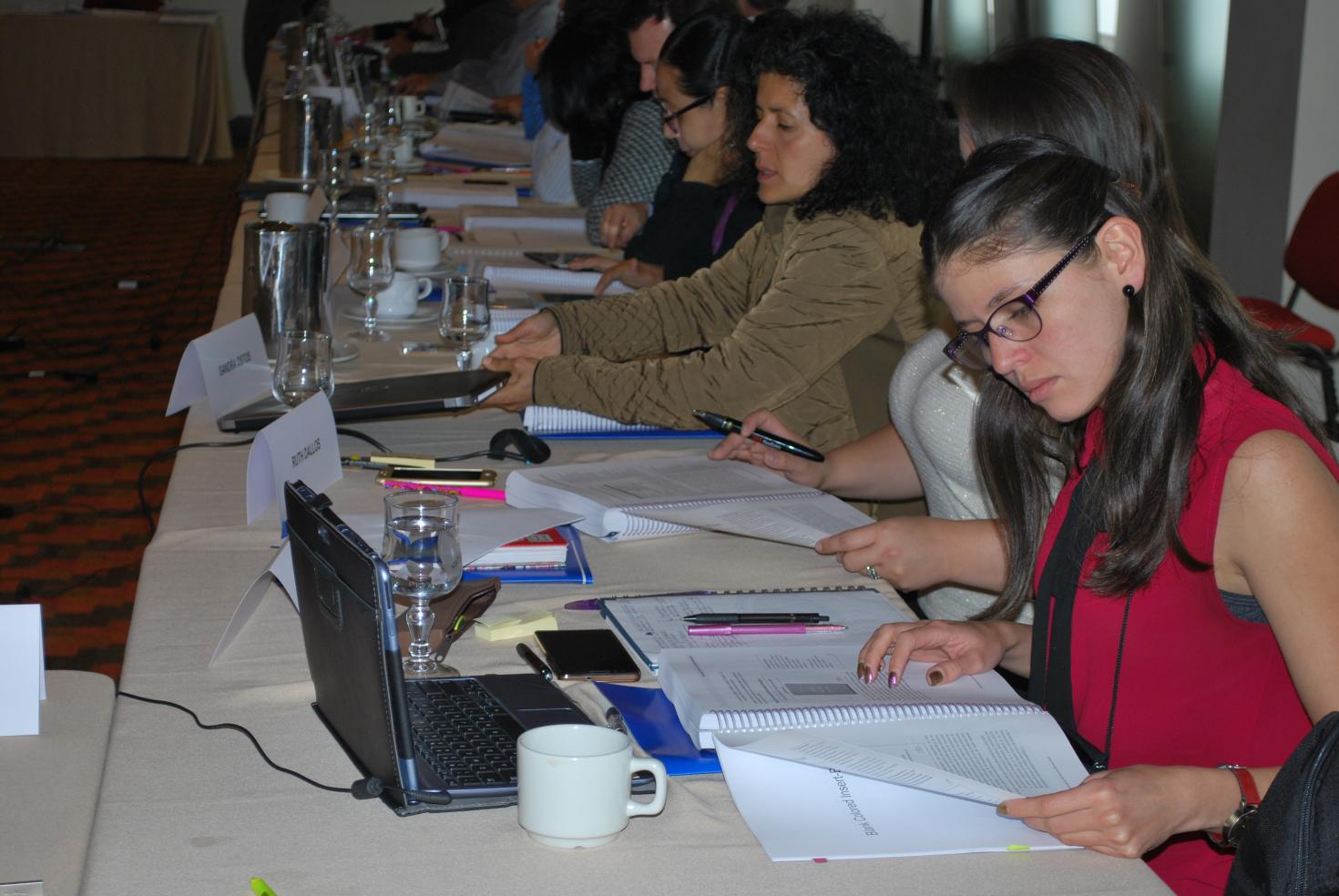
San Jose, 8 June 2017 (IICA). In order to ensure safe food for human consumption, the Inter-American Institute for Cooperation on Agriculture (IICA) and the United States Department of Agriculture (USDA) provided training to 59 professionals in Peru and Colombia to comply with new export requirements for processed food established by the United States government.
Those trained are qualified to instruct exporters, producers, educators, and staff members in preventive controls for human food. In addition, the new trainers have pledged to share their knowledge and disseminate information concerning the new standards in the sector.
“Training in topics such as this is fundamental for the export sector in the countries; we would like to ensure that the information is flowing, and we also hope to dispel any doubts that could arise from the process”, stated Ana Marisa Cordero, Specialist in Agricultural Health and Food Safety (AHFS) at IICA.
For Cordero, this type of initiative achieves the objective of providing technical assistance and strengthening capabilities in order to comply with the regulations established by the United States, and at the same time, provide the means to educate trainers at a minimal cost.
The training programs are part of the Food Safety and Agricultural Sustainability Training (FAST) project, implemented by IICA and the USDA Foreign Agricultural Service (FAS). The program seeks to strengthen technical capacity in Central America, South America and the Caribbean in order to support the export of food to the United States, as well as foster compliance with the regulations of the Food and Drug Administration (FDA).
The program has already trained 204 professionals in the public, private, and academic sectors in Jamaica, Trinidad, Barbados, Saint Lucia, Haiti, Grenada, Antigua and Barbuda, the Dominican Republic, Guatemala, Honduras, El Salvador, Nicaragua, Costa Rica, Panama, Peru, and Colombia.
Paraguay will soon participate in the initiative with a workshop in September. As of the second half of the year, a new capacity-building project geared toward facilitating compliance with the regulations on fresh produce will start in the coming months. s
More information:
Ana Marisa Cordero, Specialist in Agricultural Health and Food Safety (AHFS) at IICA.