In a meeting convened by IICA and other organizations, specialists pinpointed rural revitalization, in tandem with the creation of rural baskets of goods and services and the development of short marketing circuits, as the pillars to enable inclusive and rural economies.
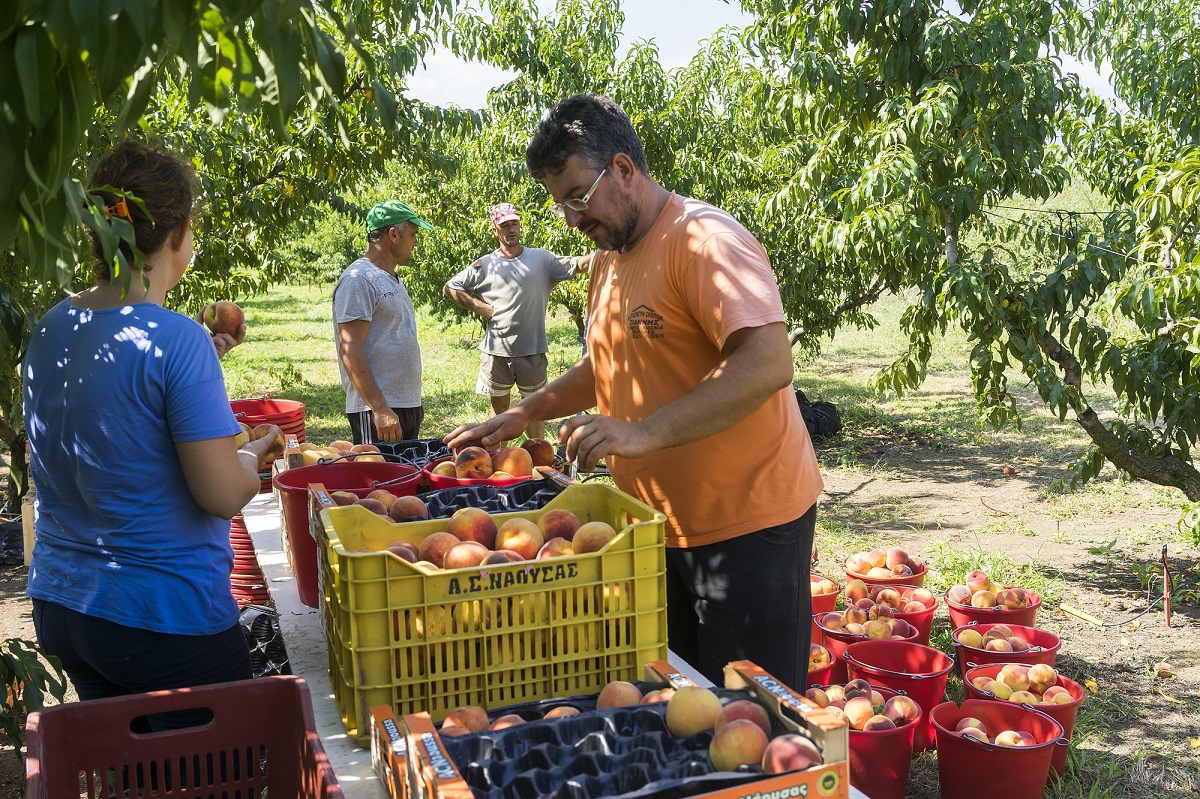
Mexico City, 12 November 2020 (IICA). Rural agroindustry specialists, participating in a symposium in Mexico, agreed that the Coronavirus pandemic is necessitating structural changes in rural development models, which should include Localized Agrifood Systems (SIAL, by its abbreviation in Spanish) and Short Marketing Circuits, in order to reactivate and enable true sustainable development in these areas.
The event, A new rural and agroindustrial world post-COVID-19? The role of the SIALs, was organized by the Red Sial (Latin American Network of Localized Agrifoods Systems); the Institute of Agricultural and Rural Sciences (ICAR) of the Autonomous University of the State of Mexico and the Inter-American Institute for Cooperation on Agriculture (IICA). The discussions demonstrated the close relationship between territories, the proximity of actors and the range of typical products produced in agroindustry clusters, all of which come together to create the SIALs.
Hernando Riveros, international consultant and specialist in the management of agrifood chains and circuits, indicated that traditional marketing channels, comprised of wholesale centers and producer markets, have been overshadowed by prevalent forms of modern distribution: supermarkets of various kinds and the emerging ecommerce industry.
Thus, he proposed that we must reflect and seek to implement structural changes that enable effective sustainable development. Moreover, the 2030 goals should be reviewed and updated, so that they are not merely result indicators.
According to Riveros, “Territorial reactivation processes, undertaken in tandem with the creation of rural baskets of goods and services and the promotion of short marketing circuits are important pillars to enable inclusive and dynamic rural economies”.
Marvin Blanco, IICA Agribusiness Specialist, commented that the alignment of agrifood production and tourism has been considered a viable strategy to reenergize the SIALs.
The pandemic has brought to light deficiencies in rural infrastructure, the internet and generational succession, as well as the need to strengthen capacities; transform farms into agribusinesses; foster technology, creativity and innovation; and to promote financing at flexible interest rates. Thus, the SIAL approach has much to offer, by way of methodology, to link actors and strategies”, said Blanco.
He argued that “SIALs could assist governments at the methodological level, because they must devise proposals to strengthen and revive rural economies”.
Marcelo Champredonde, a member of the Red SIAL in Argentina, indicated that a major part of territorial approaches and the methodologies implemented to enhance the value of local products in Latin America is based on learning developed within institutional, social and economic contexts, for example, in Europe and the United States, involving concepts such as competitiveness, the shortening of supply chains, niche markets, pricing, and others.
“COVID-19 placed us in lock-down, compelling us to develop technological systems to reach remote places and their craftwork and products. It created the need for greater collective capacity and greater organization. Now, the aim is to open up opportunities for rural areas and short marketing circuits, to assist small producers and rural families”, said Champredonde.
He added that the role of municipalities is critical to reenergizing these areas.
François Boucher, international consultant and representative of Red SIAL Mexico remarked that the focus is on these territories and that powerful tools exist that can help to overcome these issues, such as product diversification and internet access.
He pointed out the contributions of SIALs and short marketing circuits to the dynamization of the economy, citing a study of six cases in Latin America and the Caribbean, involving reactivation of specific resources in rural agroindustrial clusters, based on a SIAL approach.
More information:
Institutional Communication Division, IICA.
comunicacion.institucional@iica.int