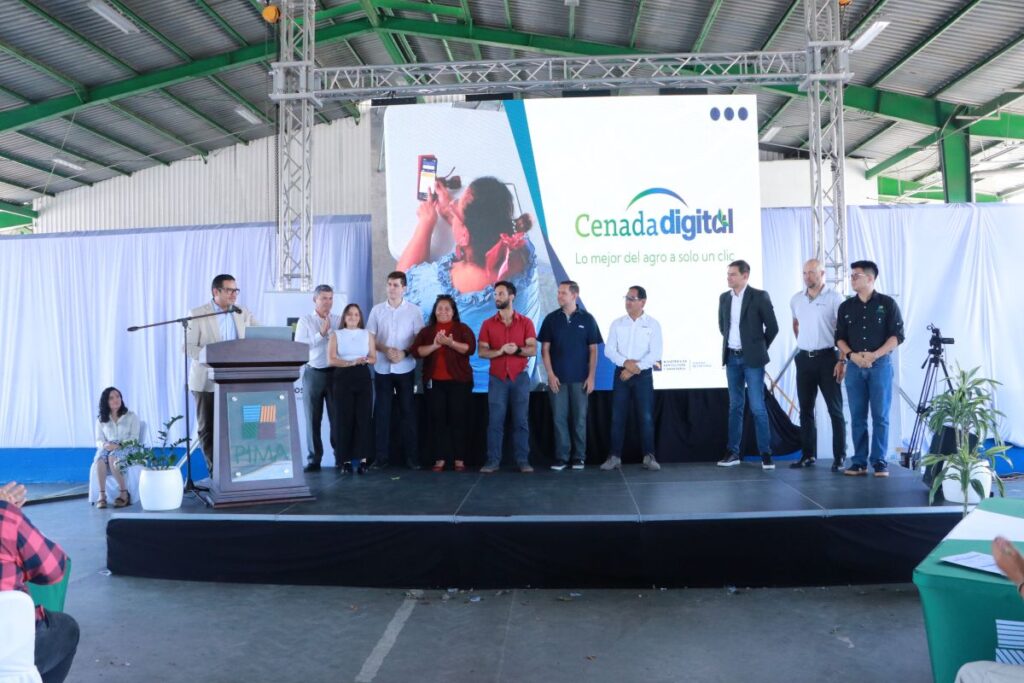
San José, 15 April 2026 (IICA). Costa Rica has officially launched CENADA DIGITAL, the country’s first electronic auction platform, which will allow for modernizing its agricultural wholesale market and will propel the sector into a new digital era, marking a turning point for agricultural marketing in the country.
Launched by the Ministry of Agriculture and Livestock (MAG) and the Comprehensive Agricultural Marketing Program (PIMA), in partnership with the Inter-American Institute for Cooperation on Agriculture (IICA), the tool introduces a more efficient, competitive, and transparent marketing model.
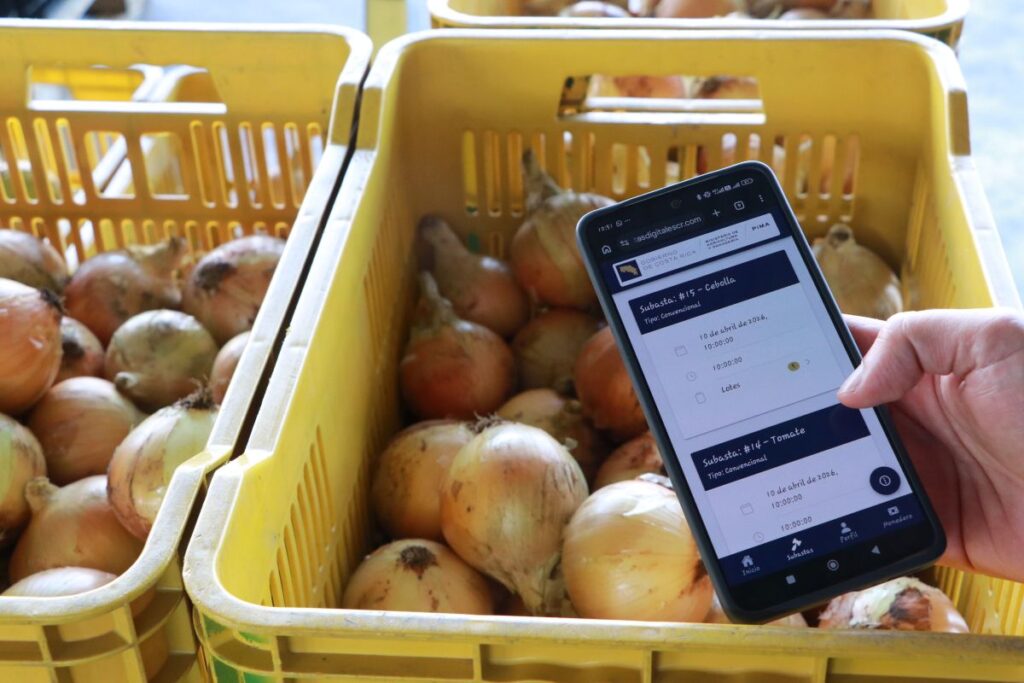
CENADA DIGITAL will begin operating at the National Food Supply and Distribution Center (CENADA) and will guarantee full traceability in transactions, as well as facilitate access to information in real time and electronic payments via the National Electronic Payment System (SINPE) of the Central Bank of Costa Rica.
Producers will be able to offer their products by providing standardized information regarding quality, while buyers will be able to make their bids online via any device with Internet access.
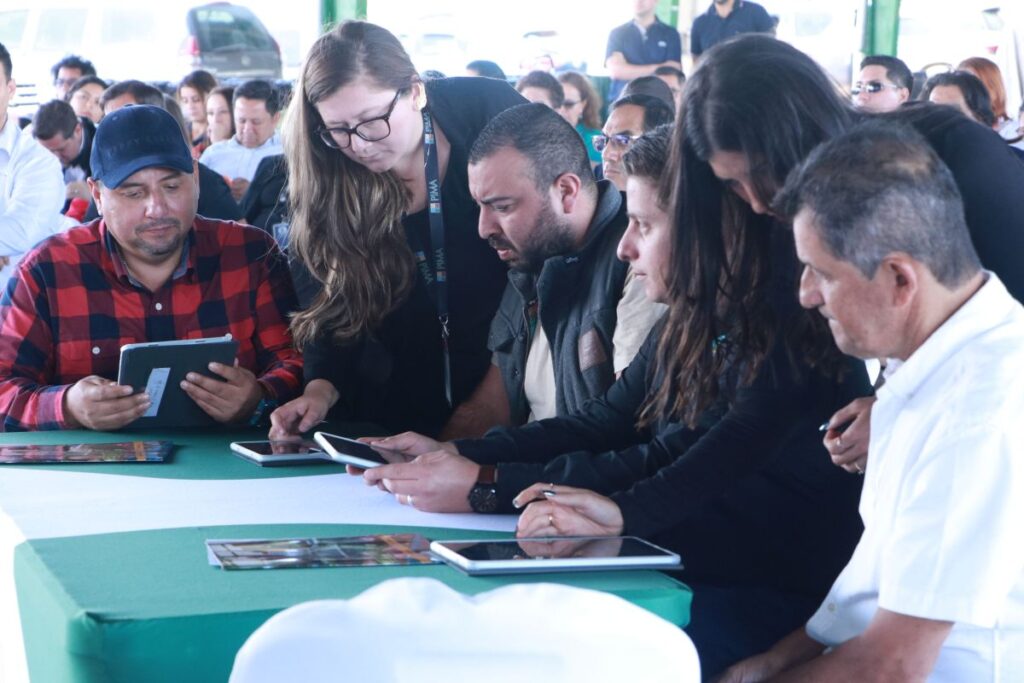
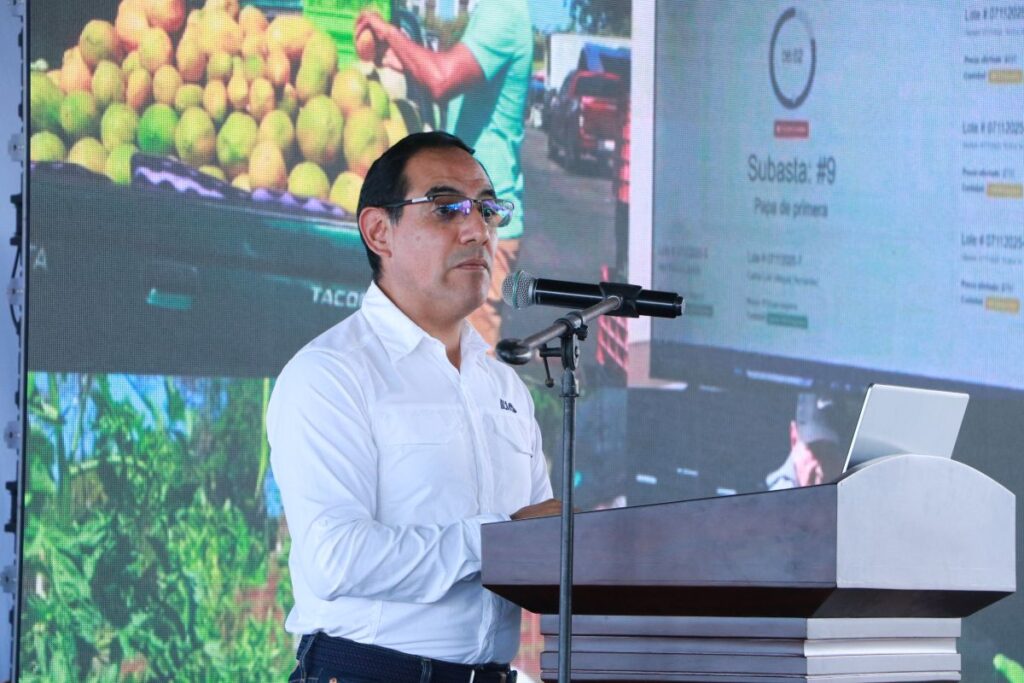
In its initial phase, the platform will feature vegetable and fruit products such as potato, onion, bell pepper, carrot, cassava, lettuce, watermelon, papaya, and mango. Over the course of its implementation, the range of products will be gradually expanded.
The digital tool addresses the urgent need to overcome historical barriers in the wholesale market, such as the concentration of bargaining power among few agents and excessive, inefficient intermediation that erodes producers’ profitability. It also combats the lack of transparency in cash transactions and information asymmetry by means of a traceable system, and eliminates commercial ambiguity by establishing uniform quality standards via technical data sheets, thereby ensuring that the true value of products is recognized within the framework of fair and transparent competition.
Víctor Carvajal Porras, Costa Rica’s Minister of Agriculture and Livestock, remarked that, “Today, Costa Rica is taking a decisive step towards modernizing agriculture. CENADA DIGITAL will transform the manner in which products are marketed, improve price transparency, and generate fairer conditions for producers. This country project will drive innovation, improve competitiveness, and revitalize the agricultural market.”
For his part, Ignacio Barrientos, General Manager of PIMA, described the platform as a concrete step towards organizing the wholesale market, by providing critical financial services for economic development.
“Access to banking services through these types of digital platforms offers numerous benefits: it fosters social financial inclusion, enhances transaction security by reducing the use of cash, formalizes the economy, and increases overall liquidity. At PIMA, we are fostering a more efficient environment for producers and buyers by integrating information and technology to improve marketing processes,” he stated.
The IICA Representative in Costa Rica, Marco Zapata, emphasized that the platform is the result of a partnership between two institutions that are committed to improving living conditions for producers. He added that it demonstrates that joint work between the public sector, international cooperation, and technological innovation allows for transforming realities that seemed to be set in stone.
“We are certain that this experience has the potential to be replicated in other Latin American and Caribbean countries whose agricultural wholesale markets face similar challenges. IICA will proudly support this regional scale-up process,” he concluded.
CENADA DIGITAL will position Costa Rica as a regional leader in the digitalization of agricultural wholesale markets, and foresees its expansion to other regions of the country, thereby strengthening a modern, competitive marketing model that is aligned with global trends.
More information:
- PIMA: Andrea Cambronero, acambronero@pima.go.cr
- MAG: Maritza Miranda, mmiranda@mag.go.cr
- IICA: Kenneth Solano, kenneth.solano@iica.int