Countries analyzed the challenges and opportunities resulting from the establishment of maximum residue limits for pesticides in agricultural products.
Quito, Ecuador, 24 April 2017 (IICA). A total of 58 delegates from Latin America and the Caribbean (LAC), India and North America analyzed the commercial significance of international regulations on pesticide residues in agricultural products, in order to promote greater equity in trade and guarantee the safety of food for human consumption.
With support from the government of Canada and the Inter-American Institute for Cooperation on Agriculture (IICA), the “Workshop on Pesticides in the Americas: Exploring Commercial and Regulatory Matters” was held in Ecuador. The event underscored the importance of striking a balance between protecting consumers, farmer and producer needs and trade interests.
During the workshop, participants shared different regulatory approaches to the establishment of maximum residue limits (MRLs) for pesticides in agricultural products; they also discussed various challenges associated with the establishment of MRLs for minor crops.
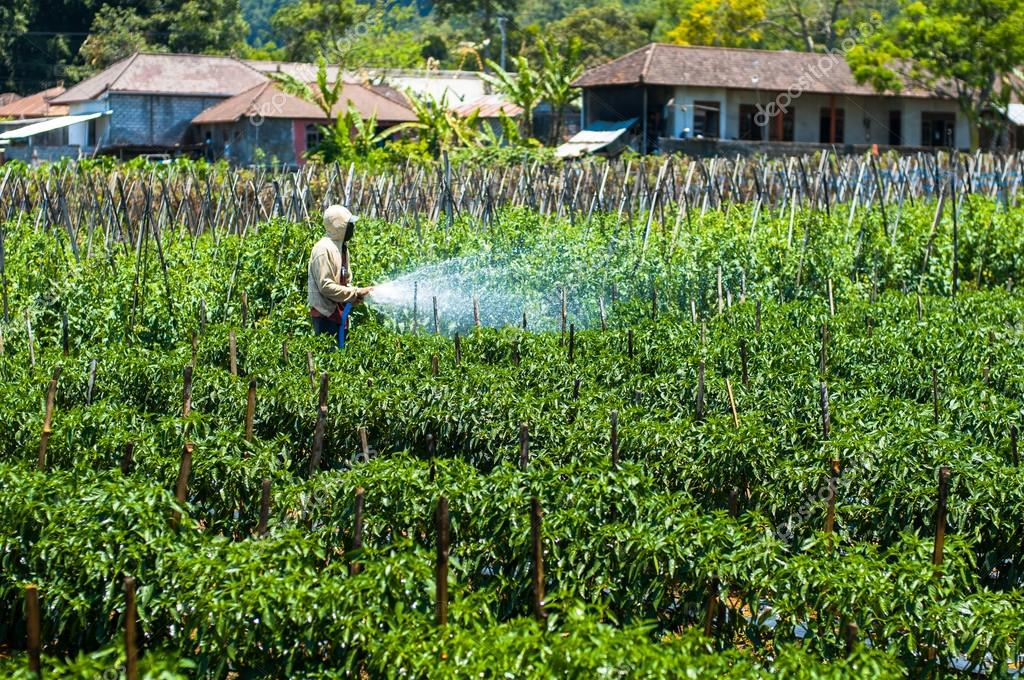
MRLs are the maximum concentrations of pesticide residues that are expected to remain in or on agricultural products when pesticides are used according to label directions. MRLs are applied in order to ensure that food products do not pose a significant risk with respect to human health.
During the event, participants discussed international standardization initiatives and highlighted the fact that decision-making regarding regulations should be based on science. Participants also underscored the importance of generating sustainable funding opportunities to facilitate the provision of scientific advice to Codex.
“This workshop provides an opportunity to strengthen the Codex Alimentarius Coordinating Committee for Latin America and the Caribbean (CCLAC), and to prepare the agrifood sector in those countries for the future, though teamwork,” stated Robert Ahern, Leader of the Agricultural Health and Food Safety Program.
According to Diego Vizcaíno, Executive Director of the Ecuadorian Agency for Quality Assurance in Agriculture (AGROCALIDAD), the establishment of transparent international regulations for pesticide MRLs, and compliance with technical regulations, are two aspects that are critical to guaranteeing the competitiveness of countries in the region.
“The Codex Committee on Pesticide Residues plays a fundamental role in ensuring that regulations established for phystosanitary products are scientifically-based and justifiable from a technical standpoint,” he added.
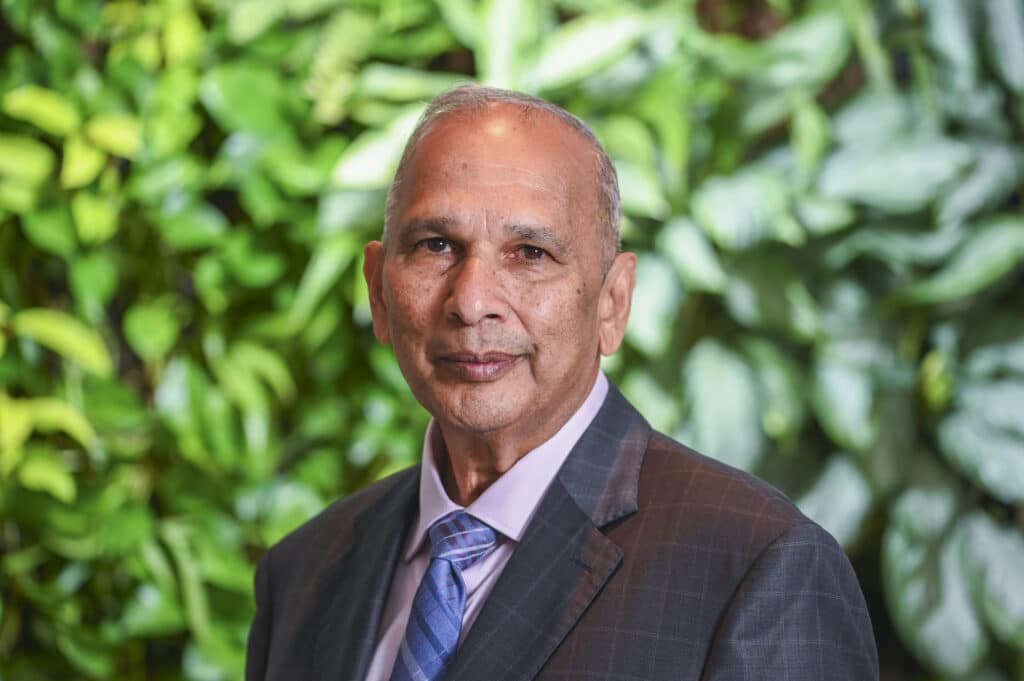
Peter Chan, Director General of the Health Evaluation Directorate of the Pest Management Regulatory Agency of Canada, stated that this type of event is critical to fostering dialogue among regulators, policymakers in the trade sector, and other industry stakeholders regarding the possible impacts of pest-related regulations on trade, while protecting public health.
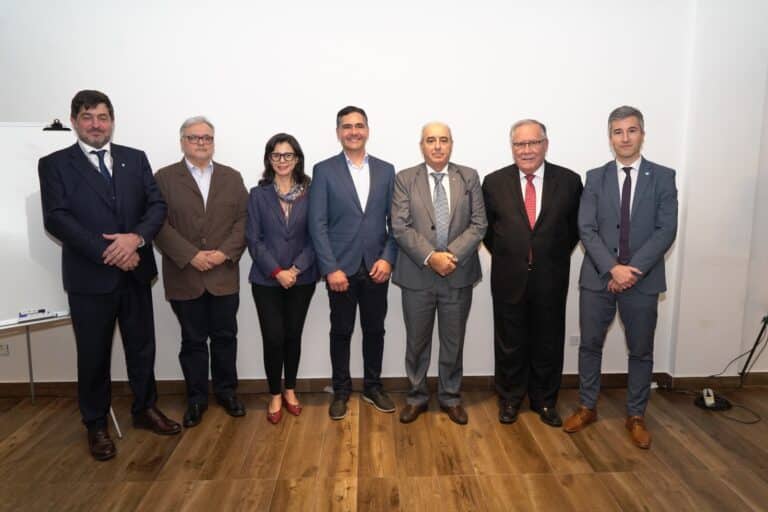
Workshop participants included representatives from Bolivia, Brazil, Canada, Chile, Colombia, Costa Rica, the Dominican Republic, Ecuador, Honduras, India, Jamaica, Mexico, Panama, Paraguay, Peru, Trinidad and Tobago, the United States and Uruguay. Also in attendance were Anneke Hamilton, of the WTO Committee on Sanitary and Phytosanitary Measures; Guilherme da Costa Junior, Vice-Chairperson for Codex Alimentarius; and representatives of the Global Pulse Confederation.
The workshop was held prior to the Codex Colloquium in Quito, during which 82 delegates from 23 countries discussed topics included in the work agenda of the Codex Committees on Food Additives, Contaminants and Pesticide Residues.
The Codex Alimentarius is a collection of international food standards, guidelines and codes of practice that contribute to the safety, quality and fairness of the international food trade.
“Codex contributes to generating greater trust among consumers, governments and the industry,” stated Erick Bolaños, IICA Specialist in Agricultural Health and Food Safety.
More information:
Robert Ahern, Leader of Agricultural Health and Food Safety at IICA.
Erick Bolaños, IICA Specialist in Agricultural Health and Food Safety.