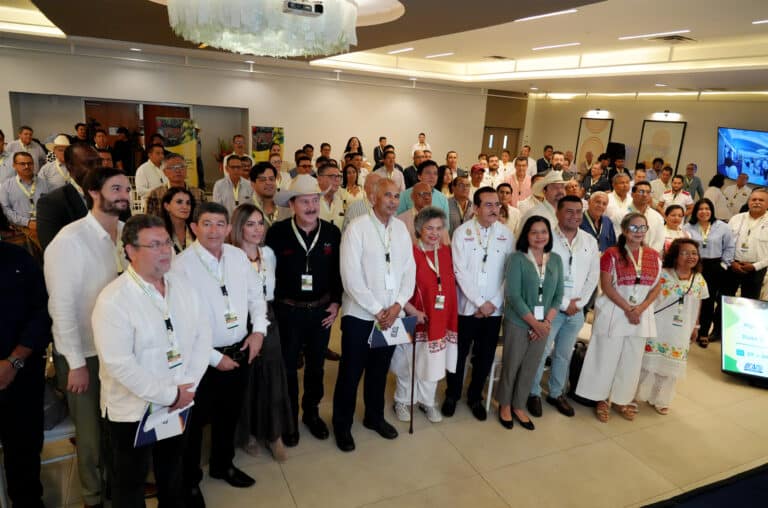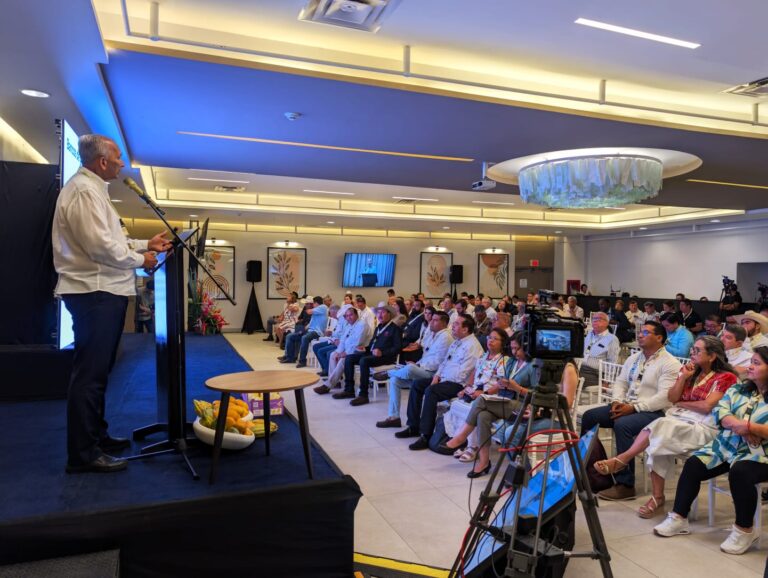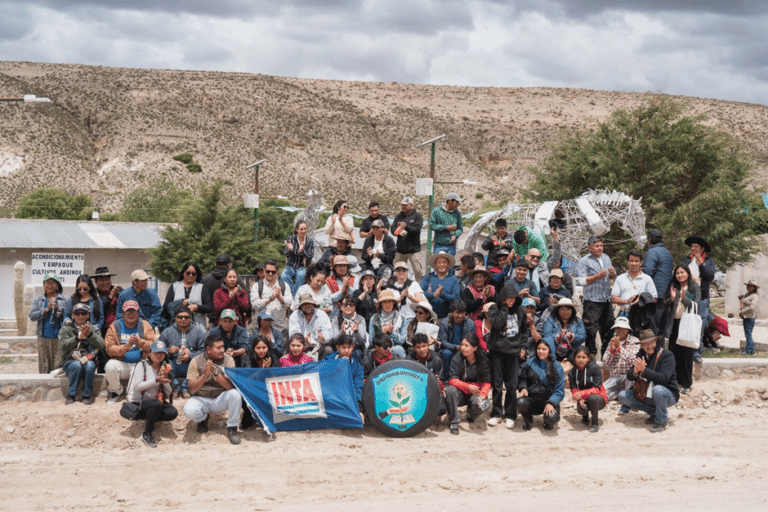
The Dialogue was organized by IICA, FAO, the Chamber of International Trade, the African Union and the International Agrifood Network, in an attempt to make the voice of this segment heard at the United Nations Food Systems Summit.
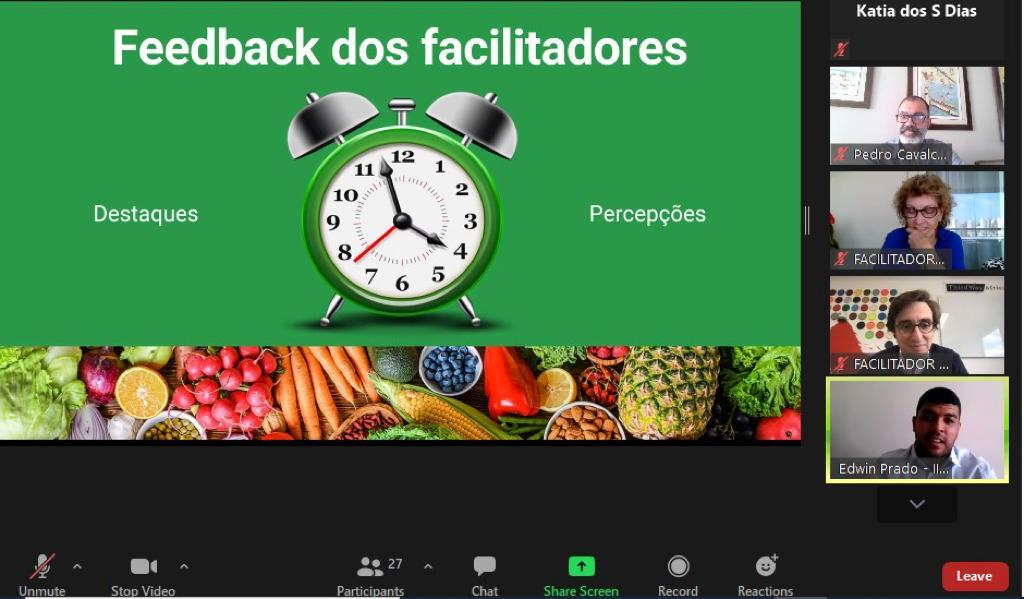
Brasilia, 7 June, 2021 (IICA). Participants from small- and medium-sized food companies from Portuguese-speaking African countries (PALOP) and Brazil met on Thursday 27 May at the Dialogue entitled “Small Businesses: Good Food for All – Brazil and Sub-Saharan Africa”, which aimed to provide a space for the exchange of ideas and experiences on how these companies can contribute to improving food systems.
The Dialogue was organized by IICA, FAO, the Chamber of International Trade, the African Union and the International Agrifood Network, and was curated by Wasafiri, within the context of a series of events leading up to the United Nations Food Systems Summit, convened by the UN Secretary-General for the end of September.
The meeting brought together representatives from small- and medium-sized food companies from two continents, as well as sociologists and researchers. Its goal was to ensure that the voice of actors of small businesses within the food sector, who must regularly make decisions that impact food systems, is brought to the center of political and commercial discussions, so that they can participate in decision-making processes regarding how to provide healthier, more sustainable food in an equitable way.
According to the first speaker, Salimo Abdula, president of the Business Confederation of the Community of Portuguese Language Countries (CPLP), the nine countries that make up this group, as well as the six PALOP countries, need to join forces to find ways to become major food suppliers and lift the barriers imposed on their products.
“The CPLP has incredible potential to become one of the world’s leading economic powers in sectors such as energy, agriculture and tourism, as 75% of the African population is young, and six of all Portuguese speaking countries are in Africa and have an abundance of manpower” said the president of the entity.
“In the sub-Saharan area, as in Brazil, we have an abundance of water and many products to offer; this could turn the CPLP into a major producer of food for our planet,” said Salimo, and added that Brazilian and Portuguese SMEs can cooperate by transferring capabilities to other Portuguese-speaking countries.
Amanda Araújo, executive director of the Sociedade Rural Brasileira, deemed the meeting crucial to know more about a segment that is present throughout the food chain. “The event was very dynamic and gave everyone the opportunity to participate. I was very grateful for the invitation, it was an excellent initiative” she said.
The dialogue constituted an opportunity to bring Portuguese-speaking countries closer together. “Despite the converging objectives of these countries, much remains to be done, and technical cooperation has the capacity to reduce response times on issues that limit the development of these systems” said Rodolfo Daldegan, Project Coordinator at IICA Brazil, one of the facilitators of the activities.
Culture and tradition
Different topics were addressed at the meeting, including the importance of culture and tradition in eating habits and their relationship with the organization of food chains.
One of the examples mentioned was the case of yellow-pulp sweet potatoes which, albeit very nutritious, are inserted into some African markets despite their rejection by certain communities due to cultural reasons. Another issue discussed was the entry of products into local markets at prices way above what the communities can afford. These examples were presented during a discussion regarding the importance of regional knowledge for business planning and public policies.
IICA has been working in the Americas for more than 70 years, and in the past three years has engaged in cooperation actions with countries in the CPLP and the African continent through a number of projects, with the support of the International Fund for Agricultural Development (IFAD).
The Dialogues with small- and medium-sized enterprises of the sector will take place in June, and will include a section featuring the participation of representatives from SMEs in Latin America and the Caribbean.
More information:
IICA Institutional Communication Division.
comunicacion.institucional@iica.int