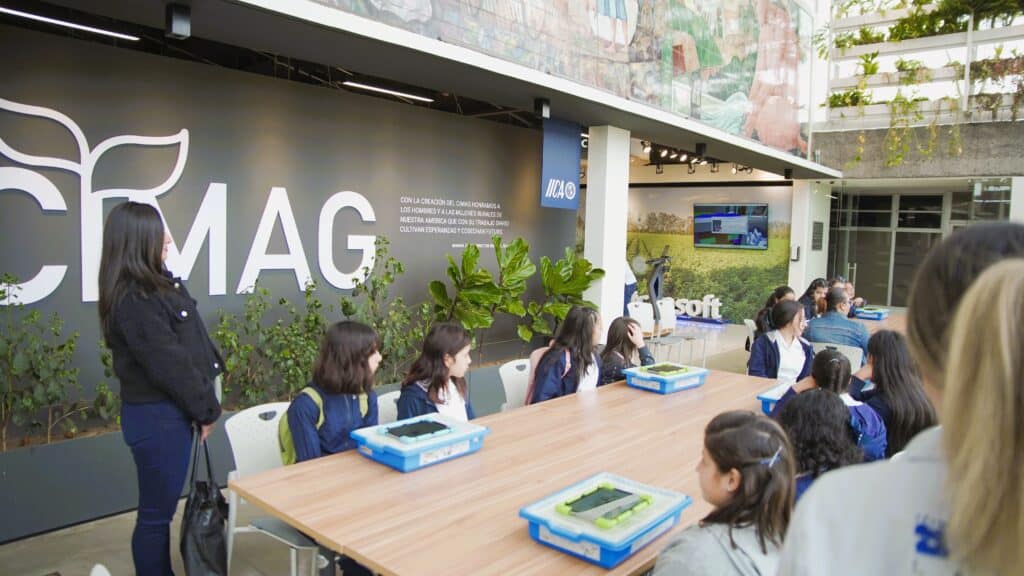
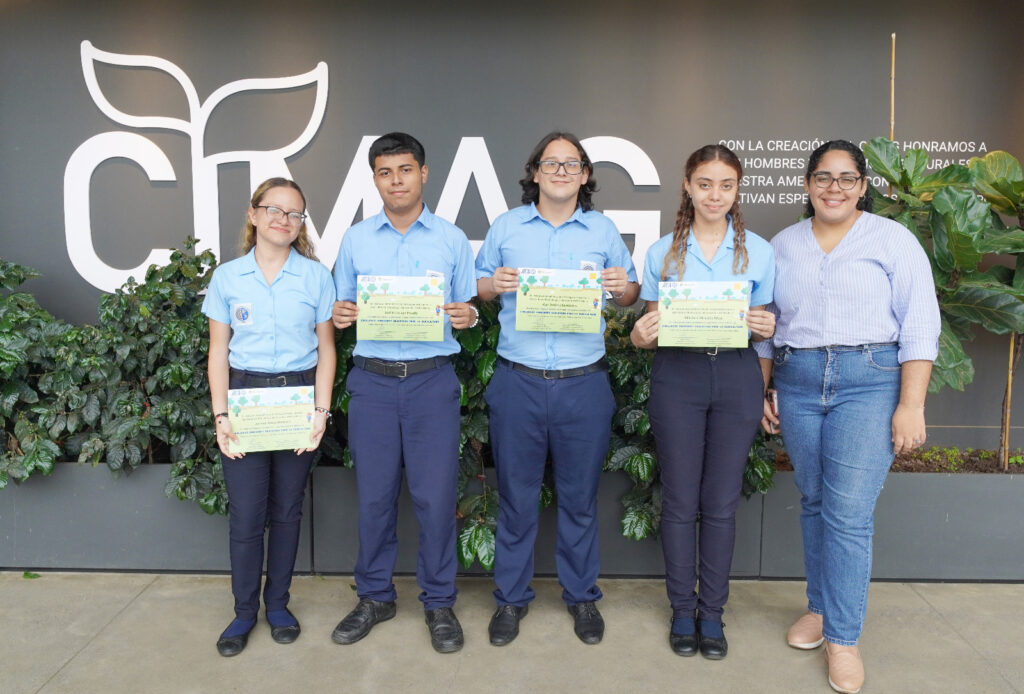
San José, 11 November 2024 (IICA)– A group of students from the Colegio Científico del Atlántico in Limón, Costa Rica, developed a virtual solution using Minecraft to address the challenge of strengthening water management and sustainability. Their innovative approach earned them first place in the second edition of the Minecraft Education Challenge for Agriculture, an initiative organized by Microsoft and the Inter-American Institute for Cooperation on Agriculture (IICA) to engage young people with new technologies and agricultural issues.
For the challenge, participants were presented with a Minecraft scenario characterized by drought, soil erosion, landslides, water pollution, deforestation, and loss of wildlife, among other devastating scenarios.
They were tasked with creating short- and long-term solutions to promote water conservation and sustainable agriculture.
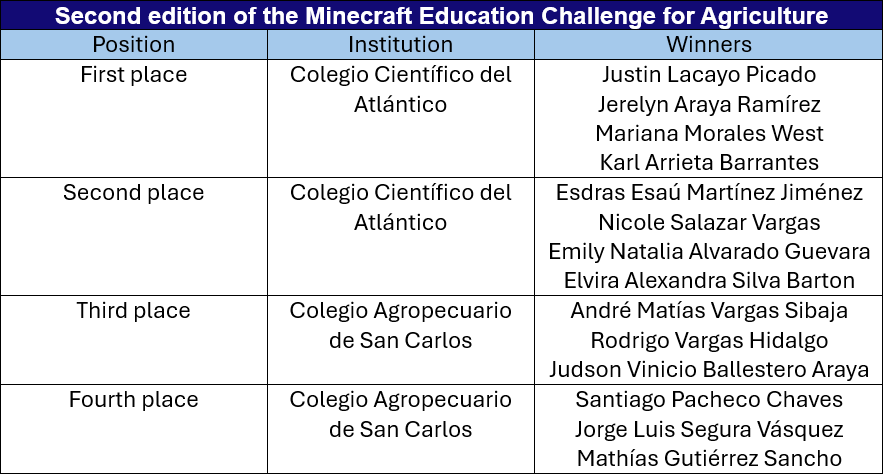
The winning team, composed of Mariana Morales West, Jerelyn Araya Ramírez, Justin Lacayo Picado, and Karl Arrieta Barrantes, proposed several innovative solutions. These included implementing wind energy and building a power plant for energy storage, introducing drip irrigation for crops, conducting insect diagnostics for pest control, using leaf mulch to prevent soil dryness and erosion, planting coconut palms on hillsides to reduce landslide risks, and establishing a drainage system that channels water to a central storage facility where it is purified and reused for drinking and irrigation.
The students also proposed productive solutions for the region, such as a zip-line system to transport crops from mountains to urban areas, and a kinetic-energy-powered water pump to provide mountain regions with water access. Additionally, they introduced automatic rainwater storage containers, which purify the water using sunlit domes.
“Participating in this challenge helps us become more aware and allows us to share the knowledge we gained here with others, showing that there are simple but effective solutions. Using a video game makes learning enjoyable while teaching valuable skills like programming, research, and communication, which are very important”, said Karl Arrieta, one of the winners.
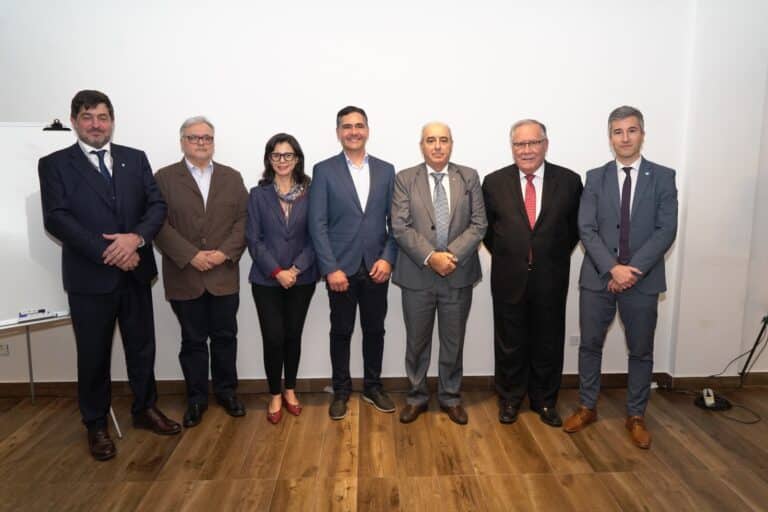
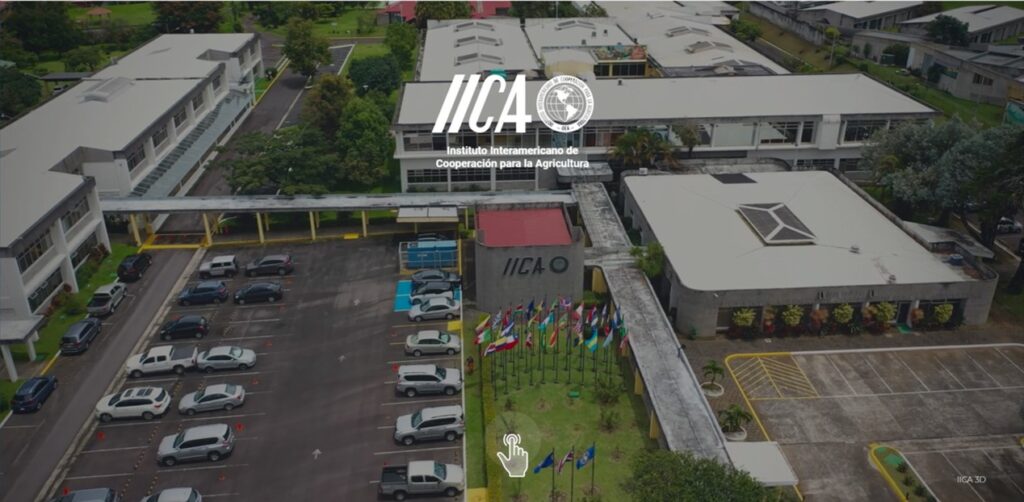
This year, four teams out of 46 participating groups advanced to the final phase of the challenge launched by Microsoft and IICA, presenting their solutions to a special jury at IICA’s headquarters in San José. The competition involved 168 high school students aged 12 to 18 from 25 schools across the country.
“This kind of initiative, like the Minecraft Education Challenge for Agriculture, is essential for inspiring new generations to think about innovative and sustainable solutions to global challenges. The participating youth are showing that technology can transform the way we tackle environmental and agricultural problems, generating efficient solutions”, said Emmanuel Picado, IICA’s Communication Technologies and Digital Agriculture Manager.
For the 2024 challenge, Microsoft and IICA partnered with Netafim and Cedes Don Bosco.
“The world is experiencing a very challenging climate moment, and the future undoubtedly lies in agriculture. With more people to feed and less arable land, it’s crucial to work on solutions for water resources and agriculture”, noted Paula Andrea Rojas, Digital Marketing Specialist for Netafim Central America.
Ana Carolina Hernández, a psychologist and head of the soft skills development unit at Cedes Don Bosco, highlighted how the challenge enhanced students’ academic, technical, and soft skills for the job market: “This dynamic allowed young people to foster skills such as critical thinking, analysis, digitalization, communication, and teamwork, which are essential for the future”.
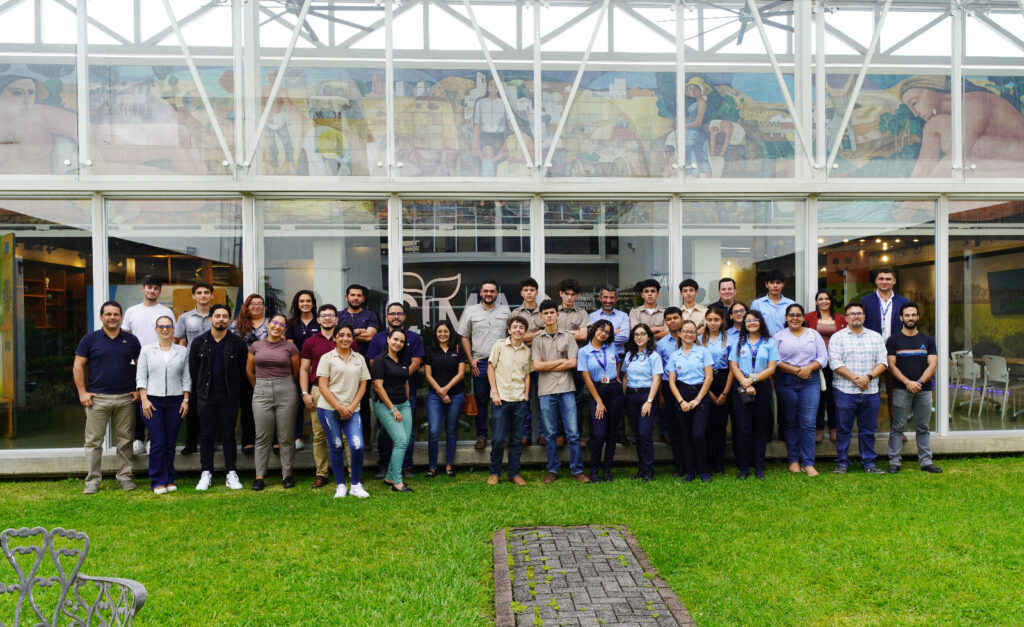
Schools from the provinces of San José, Alajuela, Guanacaste, Heredia, Puntarenas, and Limón participated in the challenge.
Solutions for the future
The Colegio Científico del Atlántico also secured second place in the challenge with solutions such as a water treatment plant that not only purify water but also use a chemical separation process to transform components into a type of concrete. They also proposed implementing greenhouses with drip irrigation systems and cultivating mushrooms in a cave, leveraging nearby aquifers.
Third place was awarded to students from the Colegio Agropecuario de San Carlos, who presented solutions including an electric dam to generate energy and purify water, a communal biodigester powered by waste to produce biogas and energy, bioplastic domes releasing bacteria to filter nitrogen from the air and restore soil, and the use of drones to map agricultural areas and identify problems in the field.
Finally, fourth place also went to the Colegio Agropecuario de San Carlos, whose solutions included a treatment lagoon for purifying wastewater, a misting system that uses fine water droplets to evenly irrigate crops, and a transparent dome that harnesses sunlight to purify water.