
Georgetown, June 10, 2026 (IICA) – The President of Guyana, Mohamed Irfaan Ali, stated that his country will position itself as a key food supplier for the entire Caribbean region, thanks to the contribution of the agricultural science, technology, and innovation center that the governments of Brazil and Guyana will establish in Georgetown, in collaboration with the Inter-American Institute for Cooperation on Agriculture (IICA).
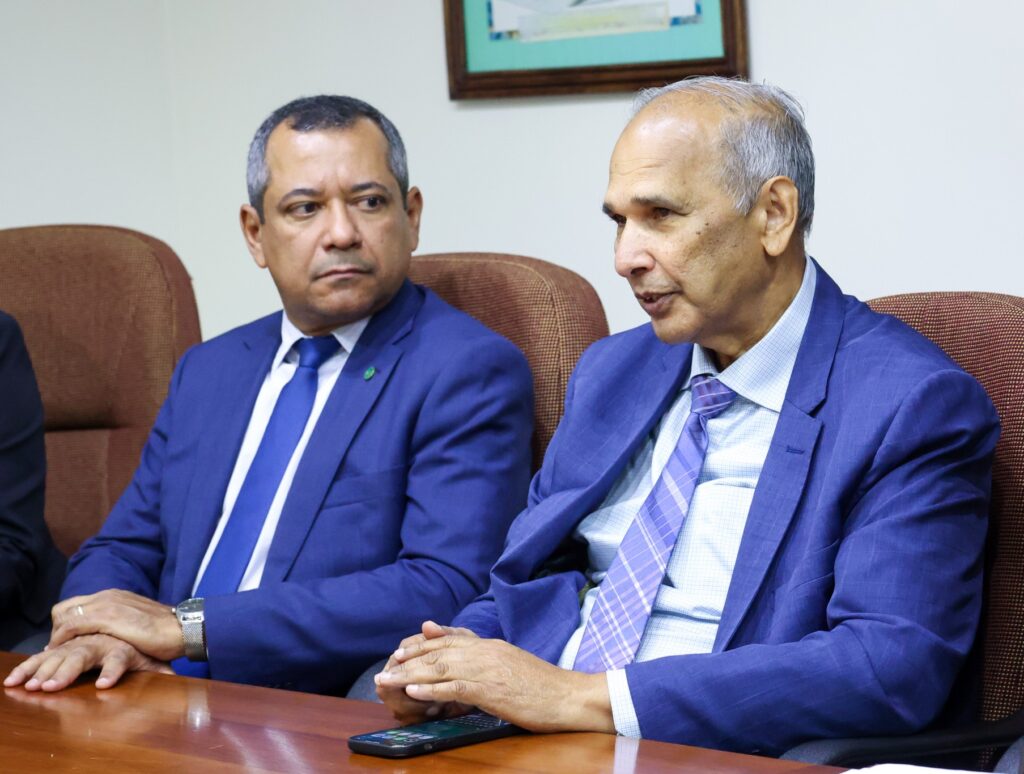
Irfaan Ali received IICA Director General Muhammad Ibrahim and the Executive Secretary (Deputy Minister) of Brazil’s Ministry of Agriculture and Livestock, Cleber Soares, in his office, along with the Minister of Agriculture of Guyana, Zulfikar Mustapha, with whom he discussed the details of the project, which will be implemented starting next month.
“I am very pleased to welcome you and to deepen Guyana’s collaborative relationship with Brazil and with IICA. The mission is to accelerate the transformation of agriculture in Guyana and the region through research and new technologies that enable value creation, improving climate resilience, production of seeds, and creation of a technical ecosystem that strengthens our food security,” said Irfaan Ali, who engaged in an extensive discussion with the visitors.
President Ali highlighted Brazil’s success story, noting that in recent years the country has transitioned from being a net food importer to exporting to 190 countries, thanks to investments in science, technology, and innovation applied to tropical agriculture—often in agroecological conditions similar to those of Caribbean countries.
In an effort to share this experience with the Caribbean, the scientific component of the Science, Technology, and Innovation Hub for Sustainable Agriculture will be led by the Brazilian Agricultural Research Corporation (EMBRAPA), which played a decisive role in the transformation of its country’s agriculture.
The hub’s work will focus on addressing constraints on productivity, vulnerability to extreme weather events, and the limited regional capacity of Caribbean countries for research, innovation, and technology transfer. Another priority will be strengthening regional capacities to address transboundary pests and diseases that affect animal and plant production.
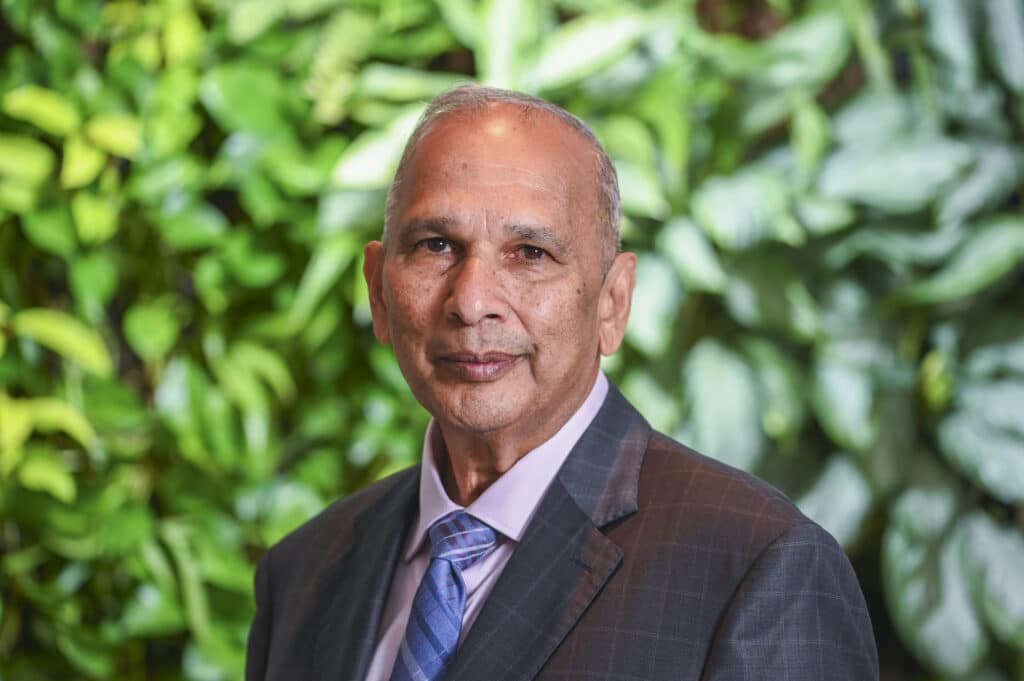
Irfaan Ali thanked Brazilian Deputy Minister Cleber Soares and IICA Director General Muhammad Ibrahim, and expressed his country’s pride that the Guyanese scientist, whom he described as a “son of this land,” leads the hemispheric agency for agricultural development and rural well-being.
The next steps in the project, which include a 90-day preparatory phase and the start of operations during the second half of this year, were explained at the meeting by Wilmot Garnett, IICA’s Representative in Guyana.
Reducing food imports
During the meeting, IICA’s Director General explained the guidelines of the 2026–2030 Medium-Term Plan, the agency’s roadmap for its cooperation work in the Americas over the next four years.
In that regard, he noted that the Plan includes region-specific strategies in response to the enormous diversity of the continent’s production systems, which sometimes even varies within the same countries.
“IICA shares and is strongly committed to the goal set by the Caribbean Community (CARICOM) to significantly reduce the region’s dependence on food imports by 2030. We are providing technical support for the transition toward more productive and competitive systems through science, technology, and innovation. But we also support the Caribbean’s efforts on other issues, such as addressing barriers to intraregional trade,” explained Ibrahim.
Ibrahim added that the Hub for Science, Technology, and Innovation for Sustainable Agriculture in the Caribbean will work on capacity building and the development of best practices that help reduce the region’s vulnerability to pests and diseases affecting animal and plant production. It will also focus on developing technologies that help improve agriculture’s resilience to natural disasters, which are striking the Caribbean with increasing frequency and intensity.
The hub is expected to serve as a platform for technical cooperation and knowledge dissemination, with a focus on leveraging Brazil’s development in tropical agriculture, which is a global benchmark. A central aspect will be the incorporation of new technologies that promote the active participation of young people and women in agricultural production.
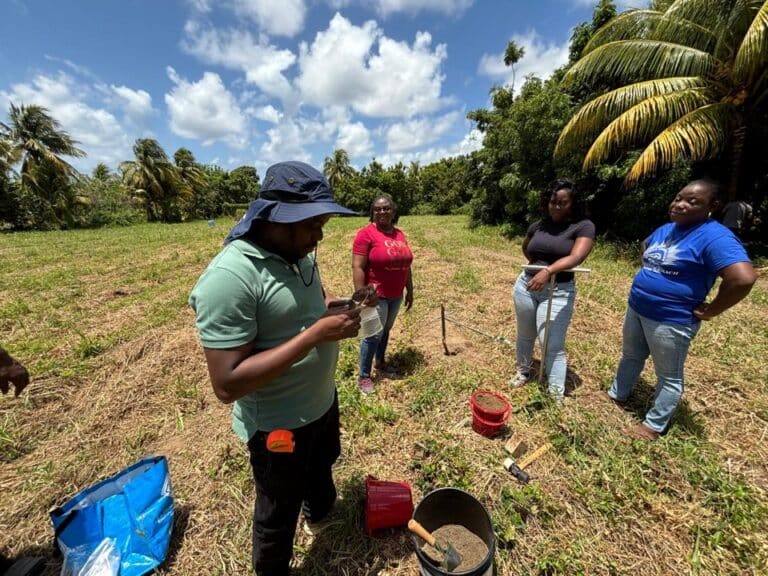
Another objective of the agreement is to promote the training of Caribbean agricultural scientists and technicians at EMBRAPA, to facilitate the replication of knowledge in areas such as water management, integrated forest, agriculture, and livestock systems, and the restoration of degraded lands—all of which have been key to Brazil’s success story.
More information:
Institutional Communication Division.
comunicacion.institucional@iica.int